Managing Anxiety in Recovery: Tools for Staying Calm During High-Stress Moments

Recovery from addiction is a courageous journey, but it is also filled with challenges. High-stress situations can trigger anxiety, cravings, or even relapse if not managed effectively. Learning how to stay calm and maintain emotional balance is essential for long-term recovery. By combining professional guidance, holistic strategies, and practical tools, individuals can navigate stress with confidence and resilience.
Understanding Anxiety in the Context of Recovery
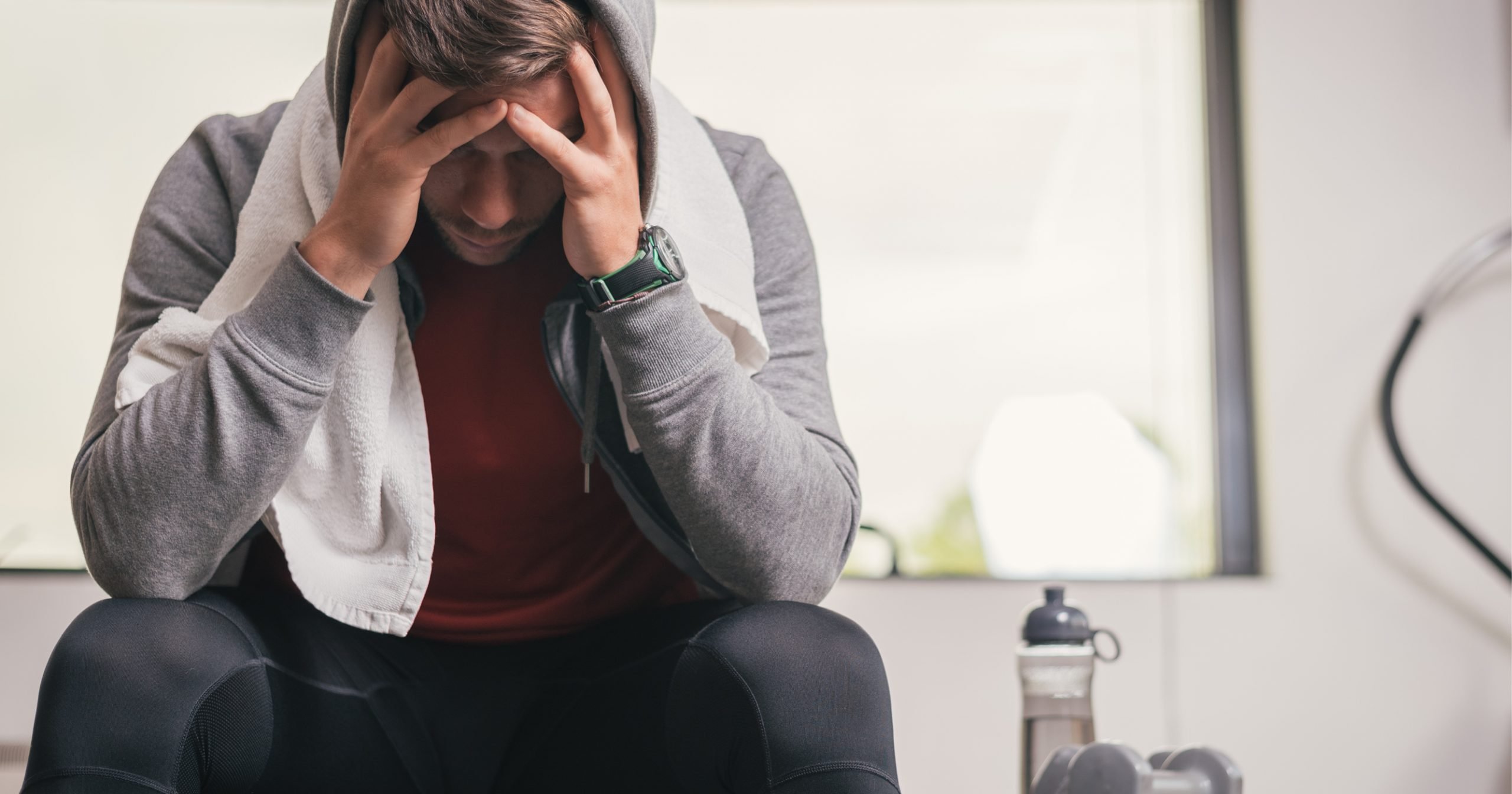
Anxiety is more than temporary worry. It is a persistent state of heightened alertness or fear that can affect your thoughts, emotions, and physical wellbeing. In recovery, anxiety can arise from triggers such as:
- Stressful environments or life changes
- Social interactions or relationship challenges
- Exposure to substances or reminders of past addiction
- Co-occurring mental health conditions
Unchecked anxiety can intensify cravings or lead to avoidance behaviors, making recovery more difficult. Recognizing early signs of stress and implementing coping strategies is key to staying on track.
Tools for Staying Calm During High-Stress Moments
Mindfulness and Grounding Techniques
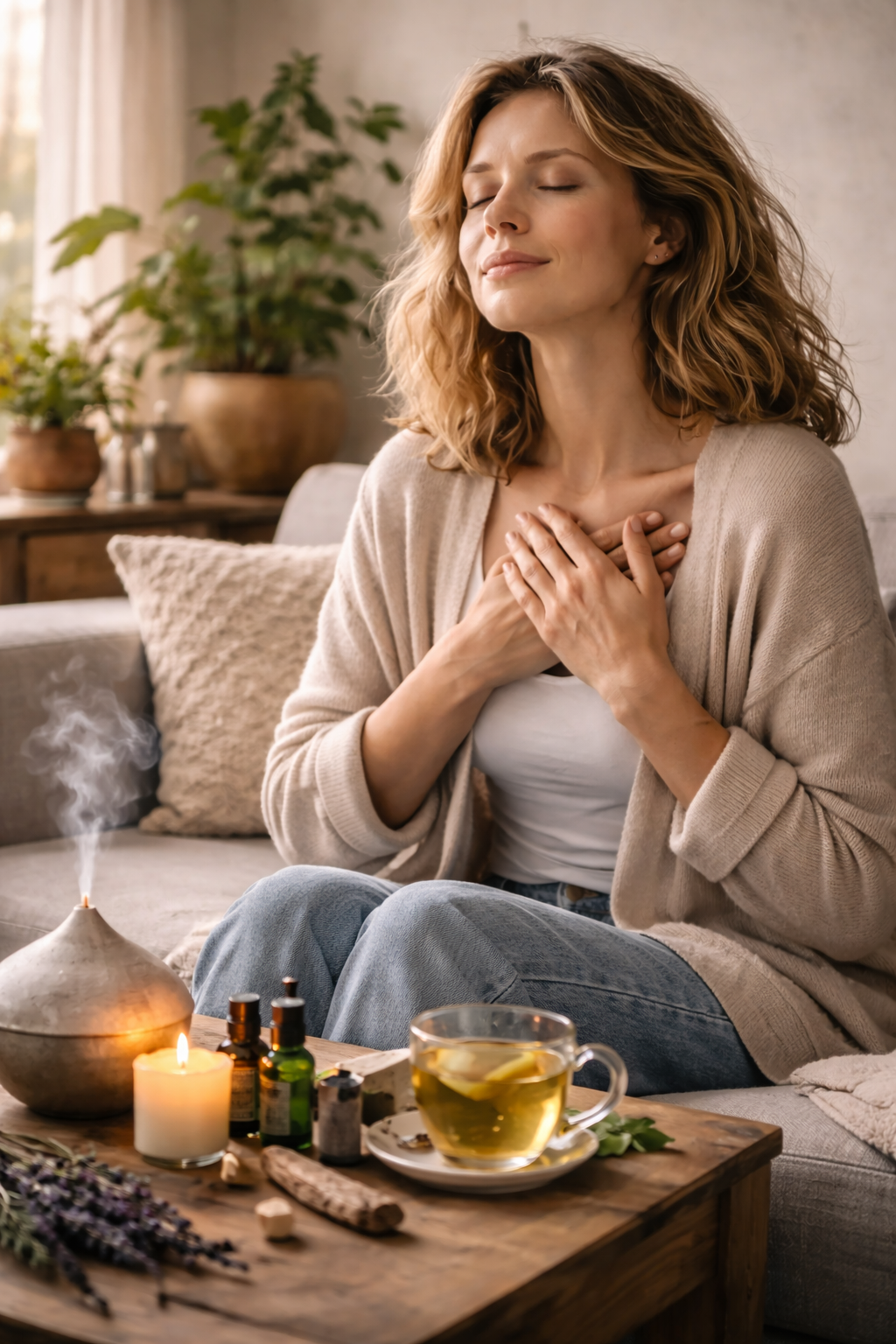
Mindfulness helps you observe your thoughts and emotions without judgment. During stressful moments, grounding exercises bring your focus to the present, reducing anxiety. Techniques include:
- Deep, slow breathing to regulate the nervous system
- Focusing on five things you can see, four you can touch, three you can hear, two you can smell, and one you can taste
- Guided meditation or visualization exercises
Practicing these techniques daily strengthens emotional regulation and makes them easier to use when stress arises.
Cognitive Strategies
Cognitive-behavioral techniques allow you to identify and challenge unhelpful thoughts that amplify anxiety. Ask yourself:
- Is this situation objectively dangerous, or is my fear exaggerated?
- What evidence supports a more balanced perspective?
- How can I respond constructively rather than react impulsively?
Replacing distorted thoughts with rational perspectives can reduce stress and increase control over emotions.
Physical Activity and Relaxation
Exercise releases endorphins, improves mood, and lowers stress hormones. Even light activity such as walking, stretching, or yoga helps calm the body and mind. Progressive muscle relaxation, massage, or breathing exercises can further alleviate tension during stressful moments.
Holistic and Faith-Based Support
Holistic approaches, including nutrition, meditation, and spiritual practices, complement professional therapy. Faith-based support or spiritual reflection can provide additional emotional grounding, especially when facing triggers or high-stress situations.
Professional and Peer Support
Recovery programs often provide structured support for managing anxiety. Inpatient or outpatient therapy allows individuals to learn coping skills, develop relapse prevention strategies, and receive guidance from trained professionals. Peer support groups also offer understanding, encouragement, and practical advice from others who have navigated similar challenges.
Creating a Personalized Anxiety Management Plan
The most effective approach to managing anxiety in recovery combines multiple strategies. A personalized plan may include:
- Regular therapy sessions to address triggers and thought patterns
- Daily mindfulness, grounding, and relaxation practices
- Holistic self-care routines including nutrition, exercise, and sleep
- Supportive networks including counselors, peers, and faith communities
Consistency is key. By practicing these techniques regularly, high-stress moments become more manageable, and anxiety becomes less disruptive.
Taking Control of Anxiety in Recovery
Anxiety is a natural part of recovery, but it does not have to control your life. By learning practical coping tools, integrating holistic and faith-based approaches, and accessing professional support, you can navigate high-stress moments with confidence. If anxiety is interfering with your recovery journey, reach out to a licensed mental health provider or a holistic treatment program today. Compassionate, individualized care can guide you toward lasting calm, resilience, and success in your recovery.