The Silent Epidemic: Understanding and Addressing Social Anxiety Disorder
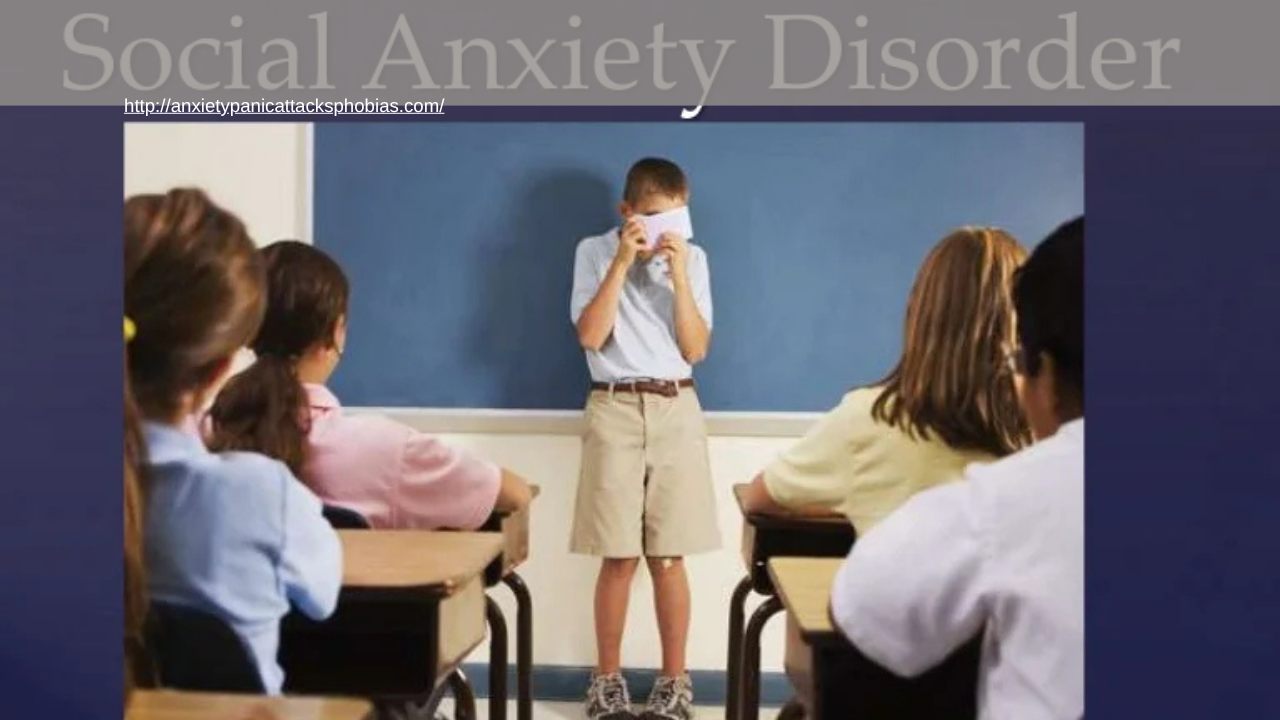
Social Anxiety Disorder (SAD), also known as social phobia, is one of the most common mental health conditions, yet it often goes unrecognized and untreated. This silent epidemic affects millions of people globally, interfering with their ability to form relationships, pursue careers, and engage in everyday activities. Understanding what social anxiety disorder is and how to address it is key to supporting those affected and reducing stigma.
What is Social Anxiety Disorder?
Social Anxiety Disorder is more than occasional nervousness before a speech or a job interview. It involves an intense, persistent fear of being judged, embarrassed, or humiliated in social or performance situations. This fear can be so overwhelming that individuals go to great lengths to avoid social interactions, leading to isolation and a diminished quality of life.
Common symptoms include:
- Excessive self-consciousness in social settings
- Fear of speaking, eating, or writing in front of others
- Avoidance of eye contact
- Physical symptoms such as blushing, sweating, trembling, or nausea
- Difficulty making or keeping friends
Causes and Risk Factors
SAD typically develops in adolescence, though it can emerge at any age. Its causes are believed to be a combination of genetic, environmental, and psychological factors:
- Genetics: A family history of anxiety disorders can increase the risk.
- Brain Structure: Overactivity in the amygdala, the brain’s fear center, may contribute to heightened anxiety responses.
- Negative Experiences: Bullying, ridicule, or rejection in childhood can increase vulnerability.
The Impact of Social Anxiety Disorder
Untreated social anxiety can have significant consequences. It can limit educational and career achievements, prevent individuals from forming supportive relationships, and increase the risk of developing depression or substance use disorders. The internal struggle often leads to feelings of loneliness, frustration, and low self-worth.
Effective Treatment Options
The good news is that Social Anxiety Disorder is highly treatable. A combination of therapeutic approaches and self-help strategies can lead to meaningful improvement.
1. Cognitive-Behavioral Therapy (CBT): The gold standard for treating SAD, CBT helps individuals challenge irrational fears, gradually face feared situations, and build confidence in social settings.
2. Medication: Selective serotonin reuptake inhibitors (SSRIs) and serotonin-norepinephrine reuptake inhibitors (SNRIs) are commonly prescribed to reduce anxiety symptoms.
3. Social Skills Training: Learning practical communication and assertiveness skills can empower individuals to engage more comfortably in social interactions.
4. Lifestyle Adjustments: Regular exercise, mindfulness practices, and gradual exposure to social settings can complement formal treatments.
Creating a Supportive Environment
Addressing social anxiety requires not only individual treatment but also a shift in societal attitudes. By fostering environments that value inclusivity and understanding, we can help reduce the shame often associated with SAD.
Conclusion
Social Anxiety Disorder may be silent, but its impact is profound. With awareness, empathy, and appropriate treatment, individuals with SAD can break free from fear and build fulfilling, connected lives.