May 31

ADHD in Adults: More Than Just a Childhood Disorder
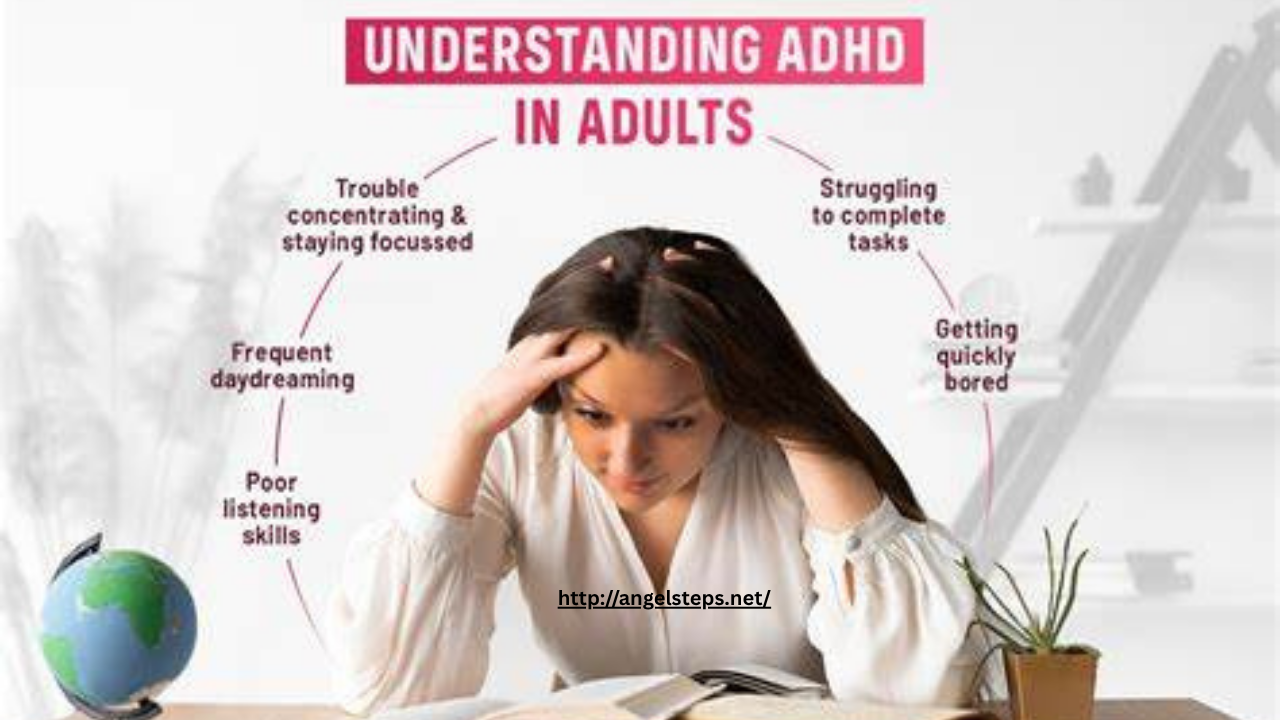
Attention-Deficit/Hyperactivity Disorder (ADHD) is often associated with hyperactive children in classrooms, struggling to sit still or focus on their schoolwork. However, ADHD is not limited to childhood. Many individuals continue to experience symptoms into adulthood—or may not even receive a diagnosis until later in life. Adult ADHD is a real and impactful condition that can influence nearly every aspect of life, including work, relationships, and self-esteem.

Understanding ADHD in Adults

ADHD is a neurodevelopmental disorder characterized by persistent patterns of inattention, hyperactivity, and impulsivity. In adults, the symptoms may present differently than in children. While hyperactivity may lessen, issues with focus, organization, time management, and emotional regulation often persist or become more noticeable.

Common signs of adult ADHD include:

  • Difficulty prioritizing tasks
  • Chronic lateness or forgetfulness
  • Trouble sustaining attention during meetings or conversations
  • Impulsive decision-making
  • Frequent mood swings or irritability
  • Restlessness or inability to relax

Because these symptoms can be mistaken for stress, anxiety, or personality traits, many adults go undiagnosed for years.

The Impact of Adult ADHD

Living with undiagnosed or untreated ADHD can have far-reaching effects. Adults with ADHD may struggle in professional environments due to missed deadlines, disorganization, or difficulty following through on tasks. In personal relationships, impulsivity or inattentiveness can lead to misunderstandings, conflicts, and emotional distress.

Low self-esteem is also common, especially for those who have spent years feeling “lazy,” “irresponsible,” or “not living up to their potential.” These internalized messages can contribute to depression, anxiety, and a sense of chronic underachievement.

Diagnosis and Treatment

Diagnosis of adult ADHD typically involves a comprehensive evaluation, including a review of symptoms, medical history, and possible childhood behavior patterns. Mental health professionals often use standardized questionnaires and may consult with family members to gather more insight.

Treatment for adult ADHD is highly individualized and often includes a combination of:

1. Medication: Stimulants (like methylphenidate or amphetamines) are commonly prescribed and can help improve focus and reduce impulsivity. Non-stimulant options are also available.

2. Cognitive Behavioral Therapy (CBT): CBT helps individuals manage symptoms by identifying negative thought patterns and developing practical coping strategies.

3. Coaching and Skills Training: ADHD coaches or therapists can assist with time management, organization, and goal-setting techniques.

4. Lifestyle Changes: Regular exercise, mindfulness practices, healthy sleep habits, and a structured routine can all contribute to improved functioning and emotional well-being.

Raising Awareness and Reducing Stigma

One of the biggest challenges adults with ADHD face is the misconception that the disorder is only relevant in childhood. Increased awareness and better diagnostic practices are crucial for helping individuals receive the support they need. When properly recognized and managed, adults with ADHD can thrive in all areas of life.

Conclusion

ADHD in adults is more than just a leftover from childhood—it is a valid and treatable condition that affects millions. By understanding the unique challenges it presents and embracing effective treatment options, adults with ADHD can break free from the cycle of frustration and unlock their full potential.

May 13

The Trauma Trap: How PTSD Shapes the Brain and Body

Post-Traumatic Stress Disorder (PTSD) is a complex and often debilitating mental health condition that arises after experiencing or witnessing a traumatic event. While commonly associated with combat veterans, PTSD can affect anyone, including survivors of accidents, abuse, natural disasters, or violent crimes. The effects of PTSD extend far beyond emotional distress—this disorder can profoundly alter both the brain and body, trapping individuals in a persistent state of fear and hypervigilance.

Understanding PTSD

PTSD develops when a person’s response to trauma becomes chronically dysregulated. Rather than gradually processing and moving past the traumatic event, individuals with PTSD remain stuck in a cycle of intense fear, anxiety, and avoidance. Common symptoms include:

  • Intrusive memories and flashbacks
  • Nightmares and sleep disturbances
  • Avoidance of trauma reminders
  • Negative changes in mood and cognition
  • Heightened arousal and reactivity (e.g., being easily startled, irritability)

These symptoms can interfere with relationships, work, and daily functioning, leading to feelings of isolation and helplessness.

The Brain on Trauma

PTSD literally reshapes the brain. Research using brain imaging has shown significant changes in three key areas:

1. Amygdala: The amygdala, responsible for detecting threats and activating the fight-or-flight response, becomes hyperactive in individuals with PTSD. This overactivity causes exaggerated fear responses, even in safe environments.

2. Hippocampus: This area is essential for memory and distinguishing between past and present experiences. PTSD is linked to a smaller hippocampus, which may contribute to problems with memory and differentiating real threats from perceived ones.

3. Prefrontal Cortex: This part of the brain helps regulate emotions and decision-making. PTSD can impair the prefrontal cortex, making it harder to control fear and rationalize emotional responses.

These brain changes help explain why PTSD is not just a mental issue but a biological one—highlighting the need for comprehensive treatment that addresses both the mind and the brain.

The Body’s Response to PTSD

The body is also deeply affected by trauma. Chronic activation of the stress response system leads to excessive levels of cortisol and adrenaline, which can damage tissues and organs over time. People with PTSD often experience:

  • Cardiovascular issues (e.g., high blood pressure, increased risk of heart disease)
  • Gastrointestinal problems
  • Chronic pain
  • Weakened immune function

Additionally, PTSD is frequently linked with other conditions such as depression, anxiety disorders, and substance abuse, complicating recovery and further impacting physical health.

Healing from PTSD

While PTSD can be deeply disruptive, recovery is possible with the right support and treatment. Evidence-based therapies include:

1. Trauma-Focused Cognitive Behavioral Therapy (TF-CBT): Helps individuals reframe negative thoughts and reduce trauma-related symptoms.

2. Eye Movement Desensitization and Reprocessing (EMDR): A structured therapy that helps process and integrate traumatic memories.

3. Medication: Antidepressants and anti-anxiety medications may be prescribed to manage symptoms.

4. Lifestyle Support: Regular exercise, mindfulness practices, and social connection can significantly improve overall resilience.

Conclusion

PTSD is a powerful force that reshapes how a person thinks, feels, and experiences the world. By understanding the profound effects trauma has on the brain and body, we can move toward more compassionate, informed, and effective care. Healing takes time, but with the right approach, recovery is within reach.

May 1

When Fear Takes Over: A Deep Dive into Generalized Anxiety Disorder

Anxiety is a normal part of life, a survival mechanism that alerts us to potential danger. However, when worry becomes constant, uncontrollable, and interferes with daily functioning, it may be a sign of Generalized Anxiety Disorder (GAD). GAD is a common yet often misunderstood mental health condition that affects millions of people worldwide. Understanding its symptoms, causes, and treatment options is essential for fostering empathy and encouraging proper care.

What Is Generalized Anxiety Disorder?

Generalized Anxiety Disorder is characterized by excessive, persistent worry about a variety of everyday topics, such as health, work, family, or finances. Unlike occasional anxiety that arises in response to specific stressors, GAD involves worry that is disproportionate and difficult to control, lasting for six months or more.

Common symptoms include:

  • Constant, unrealistic worry
  • Restlessness or feeling “on edge”
  • Difficulty concentrating
  • Fatigue
  • Irritability
  • Muscle tension
  • Sleep disturbances

These symptoms often lead to significant distress and can impair social, occupational, and other important areas of functioning. Because GAD symptoms can overlap with those of other disorders, it is crucial to receive a comprehensive evaluation from a mental health professional.

Causes and Risk Factors

The exact cause of GAD is not fully understood, but a combination of genetic, biological, and environmental factors is believed to contribute to its development.

  • Genetics: A family history of anxiety or other mental health disorders may increase the risk.
  • Brain Chemistry: Imbalances in neurotransmitters such as serotonin and dopamine play a role in mood regulation.
  • Personality Traits: Individuals who are naturally more timid or negative in their outlook may be more prone to GAD.
  • Life Experiences: Traumatic events, chronic illness, or prolonged stress can trigger or worsen anxiety.

The Impact of GAD on Daily Life

Living with GAD can be mentally and physically exhausting. The constant state of worry can interfere with job performance, strain relationships, and limit one’s ability to enjoy life. Many individuals with GAD also experience other mental health disorders, such as depression or substance abuse, making early detection and treatment even more critical.

Effective Treatment Strategies

Fortunately, GAD is a treatable condition. A combination of therapy, medication, and self-care practices can significantly reduce symptoms and improve quality of life.

1. Psychotherapy

Cognitive-Behavioral Therapy (CBT) is the most widely used and effective form of therapy for GAD. It helps individuals identify negative thought patterns and develop healthier ways to respond to anxiety-provoking situations.

2. Medication

Antidepressants such as selective serotonin reuptake inhibitors (SSRIs) and serotonin-norepinephrine reuptake inhibitors (SNRIs) are commonly prescribed. In some cases, short-term use of anti-anxiety medications may be helpful.

3. Lifestyle Changes

  • Regular exercise
  • Mindfulness and relaxation techniques
  • Adequate sleep and balanced nutrition
  • Limiting caffeine and alcohol intake

Conclusion

Generalized Anxiety Disorder is more than just excessive worry; it is a chronic condition that requires understanding, compassion, and appropriate treatment. By raising awareness and promoting mental health education, we can help those affected by GAD lead more peaceful and productive lives.