September 23

Unmasking Adult ADHD: Signs You Shouldn’t Ignore

Attention-Deficit/Hyperactivity Disorder (ADHD) is often thought of as a childhood condition, but many adults live with undiagnosed symptoms that affect their work, relationships, and mental health. Left unrecognized, ADHD can lead to frustration, low self-esteem, and even co-occurring challenges such as anxiety, depression, or addiction. At http://anxietypanicattacksphobias.com/, we provide holistic, faith-based, and individualized care to help adults better understand and manage ADHD while addressing the emotional toll it often carries.

Why Adult ADHD Often Goes Unnoticed

For many adults, ADHD symptoms have been present for years but were either minimized or misunderstood. Some may have been labeled as lazy, forgetful, or careless rather than recognized as living with a neurological condition. The ability to mask symptoms, or the tendency to overcompensate with excessive effort, can delay diagnosis and prevent individuals from getting the help they need.

Key Signs of Adult ADHD

While symptoms vary, certain patterns commonly appear in adults who live with ADHD:

Difficulty with Focus and Organization

Adults may struggle to complete tasks, manage time effectively, or stay organized. Missed deadlines and cluttered environments are frequent signs.

Impulsivity

Impulsive decision-making, interrupting conversations, or overspending can disrupt daily life and relationships.

Emotional Sensitivity

Frequent mood swings, irritability, or strong reactions to criticism are common emotional responses linked to ADHD.

Restlessness

Even without hyperactivity, many adults report inner restlessness or difficulty relaxing, which can contribute to stress and burnout.

Forgetfulness

Consistently misplacing items, missing appointments, or forgetting commitments can create ongoing frustration.

The Emotional and Mental Health Connection

Adult ADHD does not exist in isolation. It often interacts with other mental health challenges such as depression, generalized anxiety, or substance use. Adults who are unaware of their ADHD may turn to alcohol or drugs to cope with stress, unintentionally creating further obstacles to recovery.

At our center, we use a dual diagnosis approach that treats both ADHD and any co-occurring mental health or addiction issues, ensuring that clients receive comprehensive care.

Steps Toward Clarity and Healing

Recognizing the signs of ADHD is the first step toward reclaiming balance and well-being. Professional support can help adults manage symptoms and prevent further emotional strain.

Effective Treatment Approaches

  • Therapy and Counseling: Cognitive Behavioral Therapy (CBT) and other therapeutic methods help individuals build coping skills and reshape negative thought patterns.
  • Medication: For some, stimulant or non-stimulant medications provide improved focus and stability.
  • Holistic Practices: Mindfulness, exercise, and faith-based support encourage long-term resilience.
  • Life Skills Training: Practical strategies such as structured routines and organizational tools help adults manage daily responsibilities.

Conclusion

ADHD in adulthood is real, and its impact should not be ignored. The signs may be subtle or masked, but the effects on mental health, relationships, and overall quality of life are significant. At http://anxietypanicattacksphobias.com/, we offer compassionate, personalized treatment to help adults unmask ADHD, address co-occurring struggles, and move toward clarity and healing. If you or someone you love may be living with undiagnosed ADHD, reach out today and take the first step toward recovery and renewed well-being.
September 13

Work, Relationships, and Focus: How ADHD Affects Adult Life

Attention-Deficit/Hyperactivity Disorder (ADHD) is often thought of as a childhood condition, but millions of adults live with its daily challenges. From struggling to meet work deadlines to navigating relationship stress, ADHD can deeply affect every area of life. At http://anxietypanicattacksphobias.com/ we recognize the ways ADHD impacts mental health, productivity, and personal connections. Our holistic, faith-based, and individualized treatment programs provide support for adults seeking balance, focus, and recovery.

ADHD and the Workplace

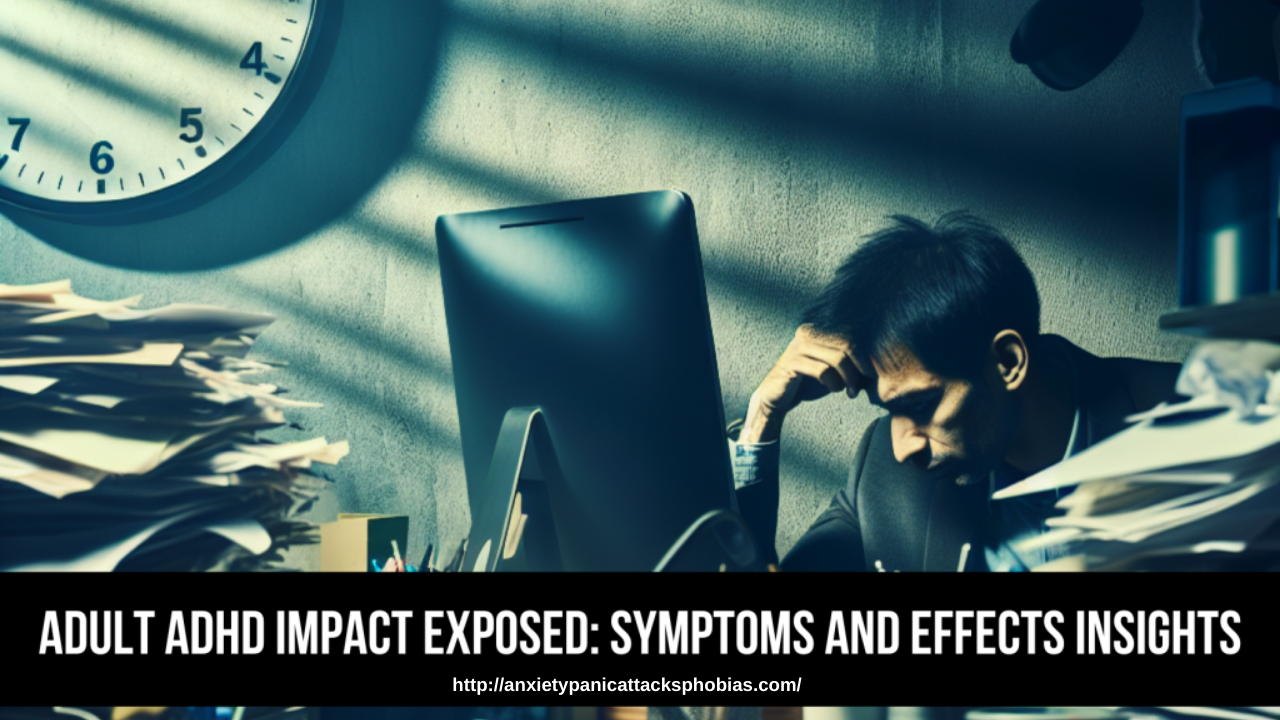
Work can be one of the most difficult environments for adults with ADHD. The constant need to focus, stay organized, and meet deadlines may feel overwhelming.

Common Workplace Struggles

  • Difficulty managing time and prioritizing tasks.
  • Trouble following through on projects.
  • Distraction in busy or noisy settings.
  • Frustration with routine or repetitive tasks.

These challenges often lead to stress, anxiety, and a cycle of self-doubt. However, with the right strategies and professional support, adults with ADHD can build resilience and thrive in their careers.

The Strain on Relationships

ADHD does not only affect work performance. It also influences communication and connection with loved ones. Missed appointments, forgotten commitments, or impulsive reactions may create tension in relationships.

Emotional Impact

  • Partners or family members may feel neglected or frustrated.
  • Individuals with ADHD may experience guilt, shame, or defensiveness.
  • Emotional sensitivity can amplify conflicts.

Therapy and counseling can help both the individual and their loved ones develop healthier communication patterns. At our center, we focus on rebuilding trust and strengthening emotional bonds as part of the healing journey.

Focus and Mental Health

One of the core symptoms of ADHD is difficulty sustaining focus. For adults, this struggle goes beyond simple distraction. It can fuel anxiety, depression, and in some cases, substance use as individuals try to cope with overwhelming stress.

ADHD and Co-Occurring Disorders

Many adults with ADHD also experience conditions such as generalized anxiety disorder, depression, or addiction. Untreated ADHD symptoms can make these conditions worse, creating a cycle that feels impossible to break.

Our dual diagnosis approach addresses both ADHD and co-occurring challenges, ensuring that treatment targets the whole person, not just individual symptoms.

Strategies for Managing ADHD in Adult Life

Living with ADHD requires intentional strategies and ongoing support. Practical tools combined with therapeutic care can create meaningful change.

Helpful Strategies

  • Establishing structured routines.
  • Breaking tasks into smaller, manageable steps.
  • Using reminders, planners, or digital tools.
  • Practicing mindfulness and stress-reduction techniques.

Holistic approaches such as meditation, physical activity, and faith-based practices also strengthen resilience and emotional balance.

Conclusion

ADHD in adulthood is more than a difficulty with focus. It influences work performance, relationships, and emotional well-being. With the right treatment and support, adults can regain clarity, build stronger connections, and find balance. At http://anxietypanicattacksphobias.com/, we provide compassionate, individualized care to help clients overcome these challenges and embrace a healthier future. Reach out today to begin your path toward healing and growth.

September 2

Beyond Forgetfulness: The Emotional Toll of Adult ADHD

Adult Attention-Deficit/Hyperactivity Disorder (ADHD) is often misunderstood as simply being forgetful or disorganized. In reality, it carries a significant emotional burden that can affect personal relationships, career success, and overall mental health. At [http://anxietypanicattacksphobias.com/], we understand how adult ADHD can contribute to anxiety, depression, and even substance use when left untreated. Our holistic, faith-based, and individualized programs provide comprehensive support for adults navigating these challenges.

Recognizing the Emotional Impact of Adult ADHD

While ADHD is commonly associated with difficulties in focus, impulsivity, and time management, the emotional toll is often less visible. Adults with ADHD frequently experience chronic frustration, low self-esteem, and heightened stress due to the constant challenge of managing daily responsibilities.

Common Emotional Struggles

  • Chronic Stress: Difficulty staying organized and meeting deadlines can lead to ongoing feelings of overwhelm.
  • Low Self-Esteem: Repeated mistakes and unmet expectations may result in negative self-perception.
  • Emotional Sensitivity: Adults with ADHD often experience intense emotional reactions to setbacks or criticism.
  • Anxiety and Depression: The interplay between ADHD symptoms and emotional challenges can contribute to mental health disorders.

These struggles may also intensify if an adult ADHD diagnosis goes unrecognized, leading individuals to feel isolated or misunderstood.

The Link Between ADHD and Addiction

Many adults with ADHD may turn to alcohol, nicotine, or other substances as a way to self-soothe or manage stress. While these behaviors may provide temporary relief, they often exacerbate emotional instability and increase the risk of substance use disorders.

Our dual diagnosis approach at [http://anxietypanicattacksphobias.com/] addresses both ADHD symptoms and co-occurring mental health or addiction issues. By treating the whole person, we create a path toward long-term recovery and emotional balance.

Strategies for Managing Emotional Challenges

Effectively managing adult ADHD requires a combination of professional support, practical tools, and holistic care.

Therapy and Counseling

Cognitive Behavioral Therapy (CBT) helps adults identify negative thought patterns, develop coping strategies, and improve emotional regulation. Individual and group therapy sessions also provide a supportive environment for shared experiences and skill-building.

Medication

Stimulant and non-stimulant medications can improve focus, reduce impulsivity, and support emotional stability. A careful, individualized treatment plan ensures that medication complements therapy and lifestyle adjustments.

Holistic and Faith-Based Support

Mindfulness, meditation, exercise, and spiritual practices offer tools to manage stress and cultivate emotional resilience. These approaches strengthen the mind-body connection and promote overall well-being.

Practical Life Skills

Time management, organizational tools, and structured routines help adults regain control over daily tasks. ADHD coaching and support groups reinforce these strategies and provide accountability.

Conclusion

The emotional toll of adult ADHD goes far beyond forgetfulness. It impacts self-esteem, relationships, and mental health. Recognizing these challenges and seeking comprehensive support is essential. At [http://anxietypanicattacksphobias.com/], we offer individualized, compassionate care that addresses both ADHD symptoms and co-occurring mental health or addiction concerns. Reach out today to begin your journey toward emotional clarity, balance, and long-term recovery.