Living Beyond Fear: Everyday Habits That Help Reduce Anxiety and Build Emotional Resilience
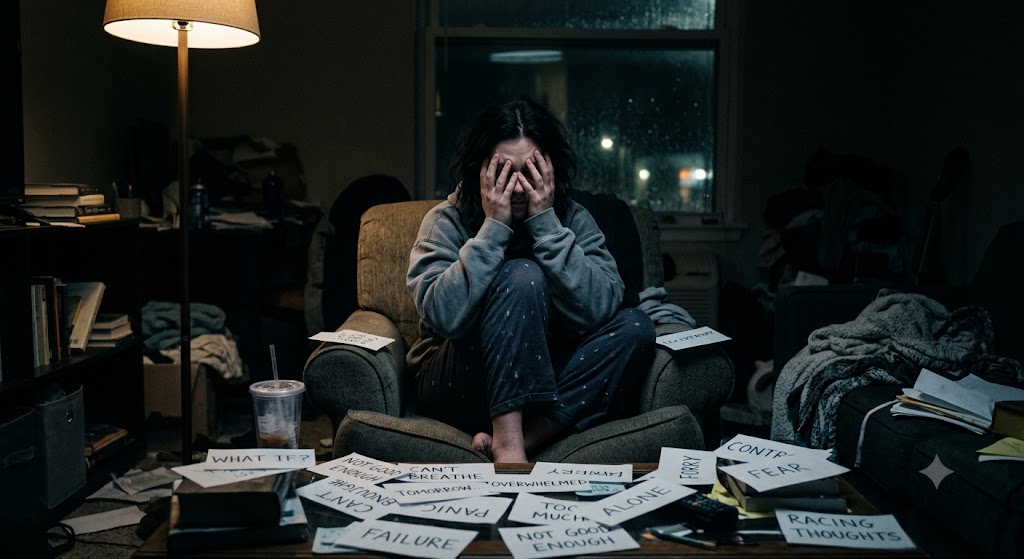
Living with anxiety can feel like carrying an invisible weight that affects every part of your day. Simple tasks may seem overwhelming, unexpected situations can trigger intense worry, and persistent fear may make it difficult to enjoy life or stay focused on recovery. While anxiety is a common mental health challenge, it does not have to define your future. Building emotional resilience through healthy daily habits can help reduce anxiety, improve confidence, and support long-term recovery from both mental health conditions and substance use disorders.
At anxietypanicattacksphobias.com, treatment focuses on helping individuals heal through compassionate, personalized care. Whether someone is seeking support for anxiety, panic attacks, phobias, or co-occurring addiction, comprehensive inpatient and outpatient programs combine evidence-based therapies with holistic and faith-based approaches to promote lasting emotional wellness. Recovery is not about avoiding fear. It is about developing the tools to move forward despite it.
What Does It Mean to Build Emotional Resilience?
Emotional resilience is the ability to adapt to stress, recover from setbacks, and respond to life’s challenges in healthy ways. It does not mean never feeling anxious or overwhelmed. Instead, resilience helps you manage difficult emotions without allowing them to control your decisions or interfere with your recovery.
Resilience grows over time through consistent habits, supportive relationships, and effective mental health treatment. Every positive choice strengthens your ability to handle future challenges with greater confidence.
Why Anxiety Often Persists Without Healthy Habits
Anxiety affects both the mind and the body. When stress becomes chronic, the nervous system remains on high alert, making it easier for everyday situations to trigger fear or panic.
Without healthy coping strategies, people may begin to:
- Avoid situations that feel uncomfortable.
- Isolate themselves from friends and family.
- Depend on unhealthy behaviors to manage stress.
- Experience increased anxiety over time.
Developing healthy routines helps regulate the nervous system and reduces the intensity of anxious thoughts and physical symptoms.
Everyday Habits That Support Anxiety Recovery
Create a Consistent Daily Routine
Structure provides a sense of stability that can reduce uncertainty and stress.
A healthy daily routine may include:
- Waking up and going to bed at consistent times.
- Scheduling meals throughout the day.
- Setting aside time for exercise.
- Practicing relaxation techniques.
- Attending therapy or recovery meetings.
Small routines create predictability, which can help calm an overactive nervous system.
Stay Physically Active
Regular movement supports both mental and physical health.
Activities such as walking, swimming, cycling, or yoga can:
- Reduce stress hormones.
- Improve mood.
- Increase energy.
- Support better sleep.
- Enhance emotional wellbeing.
Even short periods of daily activity can make a meaningful difference.
Practice Mindfulness Every Day
Mindfulness helps you remain focused on the present instead of becoming overwhelmed by future worries or past experiences.
Simple mindfulness practices include:
- Paying attention to your breathing.
- Observing your thoughts without judgment.
- Taking a few quiet moments to notice your surroundings.
- Practicing gratitude throughout the day.
Over time, mindfulness can improve emotional regulation and reduce anxious thinking.
Nourish Your Mind and Body
The connection between physical health and emotional wellbeing is powerful.
Healthy lifestyle habits include:
Prioritize Quality Sleep
Poor sleep can increase anxiety, reduce concentration, and make emotional regulation more difficult.
Aim for a consistent bedtime routine that allows your body to rest and recover.
Eat Balanced Meals
Proper nutrition supports healthy brain function and stable energy levels. Eating balanced meals throughout the day helps maintain emotional balance and reduces physical stress on the body.
Stay Hydrated
Dehydration may contribute to fatigue, headaches, and increased feelings of stress. Drinking enough water supports overall physical and mental health.
Build Healthy Connections
Recovery is stronger when you have people who encourage your progress.
Supportive relationships may include:
- Family members
- Trusted friends
- Therapists
- Recovery groups
- Spiritual leaders
Connecting with others reduces isolation while providing encouragement during difficult moments.
Address Anxiety Before It Becomes Overwhelming
Learning to recognize early warning signs allows you to respond before anxiety escalates.
Common signs include:
- Restlessness
- Muscle tension
- Difficulty concentrating
- Racing thoughts
- Changes in sleep
- Increased irritability
Responding early with healthy coping strategies often prevents anxiety from developing into panic.
Personalized Treatment Supports Lasting Recovery
Although healthy habits are valuable, professional treatment is often necessary when anxiety significantly affects daily life or recovery.
Cognitive Behavioral Therapy
Cognitive behavioral therapy helps individuals identify negative thought patterns, challenge fearful beliefs, and develop healthier ways of thinking.
Trauma-Informed Care
Past traumatic experiences often contribute to chronic anxiety. Trauma-informed therapy helps individuals heal in a supportive, compassionate environment while building long-term resilience.
Integrated Mental Health and Addiction Treatment
Many individuals experience anxiety alongside substance use disorders. Treating both conditions together provides a more complete path toward lasting recovery while reducing the risk of relapse.
Holistic Approaches That Complement Clinical Care
Whole-person healing recognizes that emotional wellness involves the mind, body, and spirit.
Holistic therapies may include:
Meditation and Relaxation Techniques
Relaxation exercises help calm the nervous system while reducing stress and physical tension.
Yoga and Gentle Movement
Yoga combines physical activity with mindful breathing, supporting emotional balance and increased body awareness.
Faith-Based Support
For individuals seeking spiritual guidance, faith-based care offers hope, encouragement, and a renewed sense of purpose. Combined with professional mental health treatment, spiritual support can strengthen resilience and provide comfort throughout the recovery journey.
Recovery Happens One Day at a Time
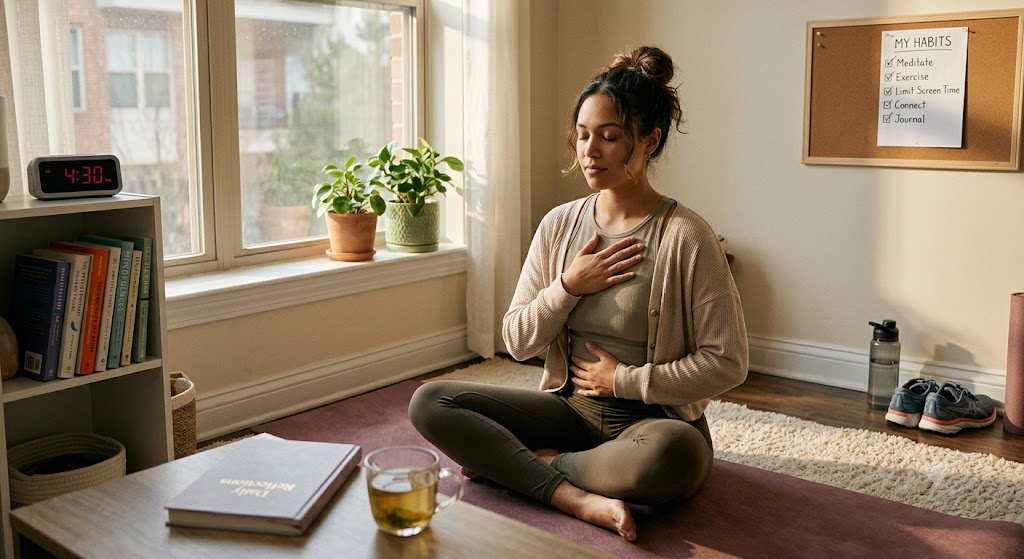
Building emotional resilience is not about becoming fearless. It is about learning to respond to fear with confidence, healthy coping skills, and self-compassion. Every positive habit you develop strengthens your ability to manage anxiety while supporting long-term mental health and addiction recovery.
Progress may come gradually, but every small step matters. Over time, those daily choices become the foundation for a healthier, more balanced life.
Conclusion
Living beyond fear begins with understanding that anxiety does not have to control your future. Healthy daily habits, personalized mental health treatment, and compassionate support work together to reduce anxiety, strengthen emotional resilience, and promote lasting recovery. By caring for your mind, body, and spirit, you can build the confidence needed to navigate life’s challenges with greater peace and stability.
If anxiety, panic attacks, phobias, or co-occurring addiction concerns are affecting your quality of life, professional help is available. At anxietypanicattacksphobias.com, experienced clinicians provide individualized inpatient and outpatient treatment that combines evidence-based therapies, holistic wellness, faith-based support, and integrated addiction care. Taking the first step today can help you move beyond fear and begin building a healthier, more hopeful future.