Why Avoiding Anxiety Makes It Stronger and What Healthy Recovery Looks Like Instead
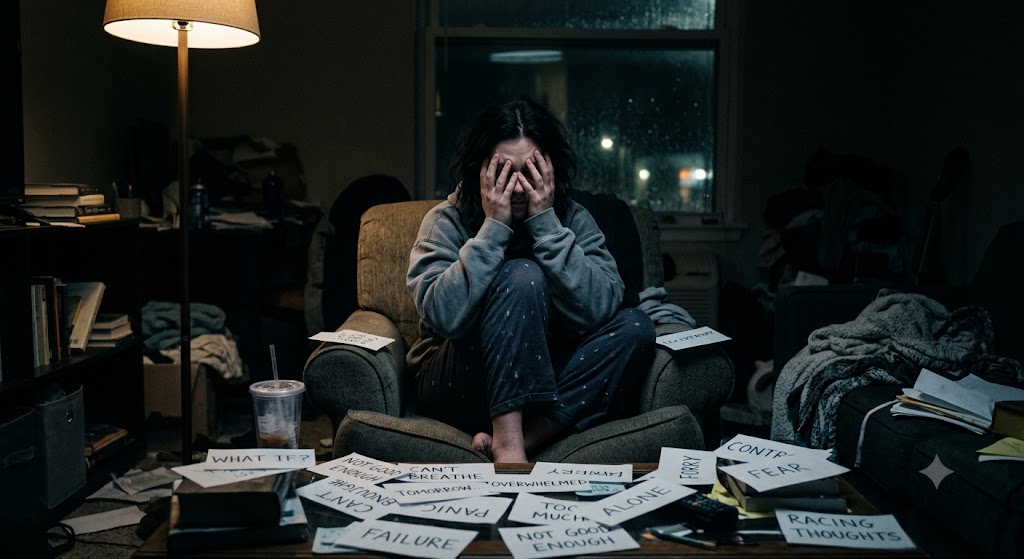
Anxiety has a way of convincing people that avoiding uncomfortable situations is the safest choice. Skipping social events, canceling appointments, avoiding certain places, or relying on unhealthy coping methods may offer temporary relief, but these behaviors often make anxiety more powerful over time. What begins as an attempt to feel better can gradually become a cycle that limits independence, damages relationships, and increases emotional distress. The good news is that recovery from anxiety is possible. By replacing avoidance with healthy coping strategies and personalized treatment, individuals can retrain their minds, regain confidence, and build lasting emotional resilience.
At anxietypanicattacksphobias.com, treatment is centered on helping individuals understand the root causes of anxiety, panic attacks, and phobias while addressing co-occurring addiction and mental health conditions. Through individualized inpatient and outpatient care, evidence-based therapies, holistic healing practices, and faith-based support for those who choose it, every person receives a treatment plan designed to promote long-term wellness.
Why Avoidance Feels Like the Right Choice
When anxiety becomes overwhelming, the brain naturally seeks ways to reduce discomfort. Avoiding a feared situation often provides immediate relief, making it seem like an effective solution.
For example, someone with social anxiety may decline invitations to gatherings. A person with panic attacks may avoid driving or crowded places. Someone in addiction recovery may isolate themselves because they fear stressful situations.
Although avoidance may reduce anxiety in the short term, it teaches the brain that the situation is dangerous. As a result, anxiety becomes stronger the next time the trigger appears.
The Anxiety Avoidance Cycle
Understanding this pattern is an important step toward recovery.
A Trigger Appears
The trigger may be a place, situation, thought, memory, or physical sensation that causes anxiety.
Fear Activates the Nervous System
The body responds with symptoms such as:
- Rapid heartbeat
- Sweating
- Muscle tension
- Shortness of breath
- Dizziness
- Restlessness
These symptoms are uncomfortable but are part of the body’s natural stress response.
Avoidance Brings Temporary Relief
Leaving the situation or avoiding it altogether may reduce anxiety for the moment.
Unfortunately, this relief reinforces the belief that avoidance is necessary for safety.
Anxiety Grows Stronger
Over time, more situations begin to feel threatening. Daily activities become increasingly difficult, and confidence continues to decline.
Why Anxiety Often Appears During Addiction Recovery
Many people entering addiction treatment have used drugs or alcohol to temporarily numb anxious thoughts or emotional discomfort. Once substance use stops, those feelings often become more noticeable.
Recovery may also involve:
- Rebuilding relationships
- Managing financial stress
- Returning to work or school
- Processing unresolved trauma
- Developing healthier coping skills
These life changes can increase anxiety if they are faced without appropriate support.
Treating both addiction and anxiety together is essential for creating lasting recovery.
Healthy Recovery Looks Different
Recovery from anxiety is not about eliminating every uncomfortable emotion. Instead, it involves learning how to respond to anxiety in healthier ways without allowing it to control daily life.
Gradually Facing Fears
One of the most effective ways to reduce anxiety is through gradual exposure.
Working with a qualified therapist, individuals safely face feared situations one step at a time. Each positive experience teaches the brain that anxiety can be tolerated without avoiding the situation.
Over time, confidence grows while fear loses its influence.
Developing Healthy Coping Skills
Effective coping strategies reduce anxiety while strengthening emotional resilience.
Helpful techniques include:
- Deep breathing exercises
- Progressive muscle relaxation
- Mindfulness meditation
- Journaling
- Physical activity
- Spending time in supportive environments
Practicing these skills consistently helps regulate the nervous system and improve emotional balance.
Personalized Mental Health Treatment Makes a Difference
No two people experience anxiety in exactly the same way. Individualized treatment addresses each person’s unique experiences, goals, and recovery needs.
Cognitive Behavioral Therapy
Cognitive behavioral therapy helps identify negative thinking patterns that increase anxiety.
Individuals learn to:
- Recognize distorted thoughts.
- Challenge fearful beliefs.
- Replace unhelpful thinking with balanced perspectives.
- Build confidence through healthier responses.
This evidence-based therapy is one of the most effective treatments for anxiety disorders and panic attacks.
Trauma Informed Care
For many people, anxiety is connected to unresolved trauma. Trauma-informed therapy creates a safe and supportive environment where healing can occur without judgment.
Integrated Addiction and Mental Health Care
Treating anxiety without addressing addiction, or treating addiction without addressing anxiety, often leaves important needs unmet.
Integrated treatment provides comprehensive care that supports long-term emotional stability while reducing the risk of relapse.
Holistic Approaches That Strengthen Recovery
Whole-person healing supports both emotional and physical wellbeing.
Holistic services may include:
Mindfulness and Meditation
Mindfulness helps individuals become more aware of anxious thoughts without automatically reacting to them.
Exercise and Movement
Walking, yoga, swimming, and other forms of exercise naturally reduce stress hormones while improving mood and sleep quality.
Nutrition and Healthy Sleep
A balanced diet and consistent sleep schedule support healthy brain function and emotional regulation.
Faith-Based Support
For individuals who desire spiritual guidance, faith-based care can provide hope, encouragement, and renewed purpose throughout recovery. Combined with clinical treatment, spiritual support often strengthens resilience during difficult times.
Building Confidence One Step at a Time
Recovery is not measured by the complete absence of anxiety. Instead, success comes from learning to move forward even when anxiety is present.
Each small step builds confidence. Every challenge faced without avoidance teaches the brain that fear does not have to control decisions. Over time, situations that once felt impossible become manageable, allowing individuals to experience greater freedom and independence.
Conclusion
Avoiding anxiety may seem helpful in the moment, but it often strengthens fear and limits personal growth over time. Healthy recovery involves understanding how anxiety works, developing effective coping strategies, and gradually replacing avoidance with confidence. With personalized mental health treatment, holistic support, and integrated addiction recovery services, lasting change is possible.
If anxiety, panic attacks, phobias, or substance use are preventing you from living the life you deserve, professional help is available. At anxietypanicattacksphobias.com, compassionate clinicians provide individualized inpatient and outpatient care designed to address the whole person. Through evidence-based therapies, holistic healing, and personalized support, you can break free from the cycle of avoidance, strengthen your recovery, and move toward a healthier, more confident future.