From Avoidance to Empowerment: How Therapy Helps You Face Phobias Step by Step
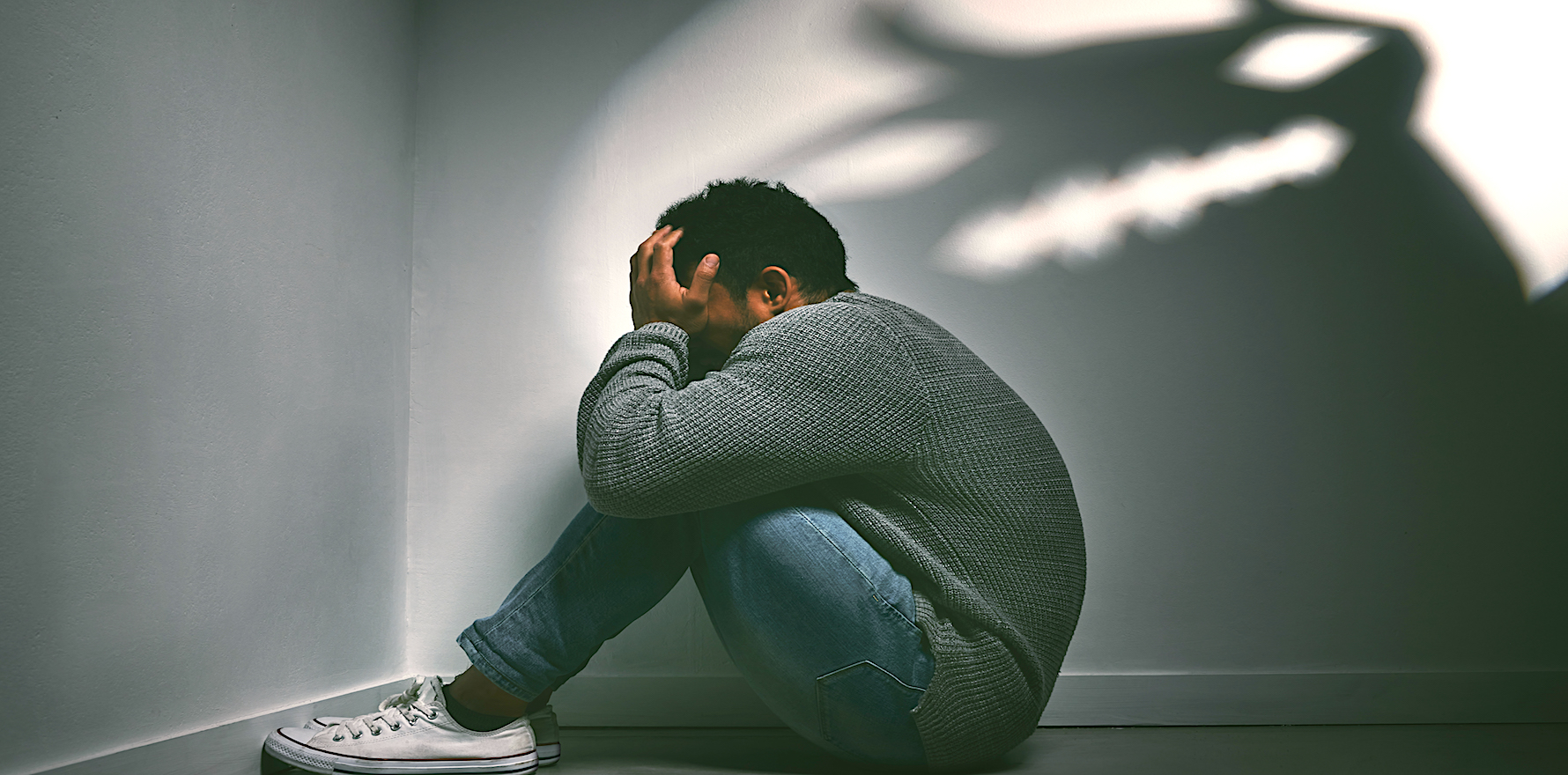
Phobias can feel limiting. Whether it is a fear of heights, social situations, or enclosed spaces, these intense fears can interfere with daily life and make ordinary activities feel overwhelming. Avoidance may provide temporary relief, but it often reinforces fear and prevents growth. The good news is that therapy offers structured, compassionate ways to move from avoidance to empowerment, helping individuals regain confidence and control.
Understanding Phobias
Phobias are more than just strong fears. They are persistent, irrational fears of specific situations, objects, or experiences. While everyone experiences fear at times, phobias are characterized by their intensity and impact on daily functioning. Common types of phobias include:
- Social phobias, such as fear of speaking in public or meeting new people
- Specific phobias, including fears of animals, heights, or flying
- Agoraphobia, the fear of leaving familiar environments
Phobias can coexist with anxiety disorders, panic attacks, or even substance use disorders. This overlap makes integrated mental health and addiction recovery treatment essential for long-term improvement.
Why Avoidance Can Make Phobias Worse
Avoidance may seem like a protective strategy, but it can actually strengthen the fear response. By avoiding feared situations, the brain reinforces the idea that these situations are dangerous. Over time, avoidance can limit opportunities, reduce independence, and increase anxiety. Recognizing this pattern is the first step toward change.
How Therapy Helps You Face Your Fears
Therapy provides a structured approach to confronting phobias safely and effectively. Evidence-based methods include:
Cognitive-Behavioral Therapy
Cognitive-behavioral therapy, or CBT, focuses on identifying and challenging unhelpful thoughts that fuel fear. Individuals learn to replace exaggerated danger beliefs with realistic assessments, reducing the intensity of their phobic responses over time.
Exposure Therapy
Exposure therapy gradually introduces feared situations in a controlled and supportive environment. This step-by-step approach helps the brain form new associations, transforming fear into confidence. Exposure can be tailored to each individual, beginning with manageable situations and progressing as comfort grows.
Integrating Holistic and Faith-Based Approaches
For many individuals, combining traditional therapy with holistic strategies enhances resilience. Mindfulness, breathing exercises, and guided meditation support emotional regulation. Faith-based counseling can offer additional comfort and meaning for those seeking spiritual guidance during recovery.
Supportive Recovery Programs
For individuals in addiction recovery, addressing phobias is particularly important. Stress, triggers, and withdrawal symptoms can intensify fear responses. Inpatient and outpatient programs that integrate phobia treatment with addiction recovery provide comprehensive support. This approach includes:
- Personalized therapy plans targeting both addiction and phobia
- Coping strategies for stress and anxiety
- Relapse prevention and life skills development
Steps to Take Toward Empowerment
Facing phobias is a gradual process, but with professional guidance, meaningful progress is achievable. Practical steps include:
- Acknowledging the fear without judgment
- Working with a licensed therapist to create a structured plan
- Practicing coping techniques daily, including mindfulness and grounding exercises
- Seeking support from compassionate professionals and recovery programs
Moving From Fear to Freedom
Phobias may feel daunting, but they do not have to define your life. Therapy, combined with holistic care and personalized recovery programs, provides the tools needed to face fears, reduce avoidance, and reclaim independence. Taking the first step toward professional support can open the door to confidence and emotional freedom. If phobias are limiting your life or affecting your recovery journey, reach out to a trusted mental health provider today. Empowerment is possible, and compassionate guidance is available every step of the way.