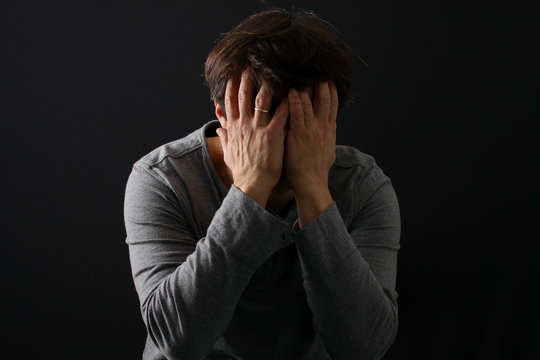
Finding Calm Again: Practical Tools for Managing Anxiety in Everyday Life and Recovery
Anxiety can disrupt even the most ordinary moments, turning daily routines into sources of stress and uncertainty. For individuals in addiction recovery or managing ongoing mental health challenges, anxiety can feel even more intense and persistent. The path back to calm is not about eliminating anxiety completely, but about learning how to respond to it with practical tools, supportive care, and greater self-awareness. With the right strategies, it is possible to regain stability and build a more peaceful, grounded daily life.
At anxietypanicattacksphobias.com, care is built around compassionate, individualized treatment that supports both mental health and addiction recovery. Through inpatient and outpatient programs, evidence-based therapies, and holistic or faith-based approaches, individuals receive comprehensive support designed to promote long-term healing.
Understanding Anxiety in Everyday Life and Recovery
Anxiety is a natural response to stress, but when it becomes frequent or overwhelming, it can interfere with emotional balance and daily functioning. In recovery, anxiety may feel more noticeable as the brain adjusts to new coping patterns without substances.
Common experiences include:
- Persistent worry or overthinking
- Physical tension or restlessness
- Difficulty concentrating
- Sleep disturbances
- Emotional overwhelm in stressful situations
Understanding these symptoms is the first step toward managing them effectively.
Why Anxiety Feels More Intense During Recovery
Recovery is a period of emotional and neurological adjustment. Without previous coping mechanisms such as substance use, individuals may feel more exposed to stress and emotional discomfort. This is completely normal and part of the healing process.
Anxiety may feel stronger during recovery because:
- The nervous system is recalibrating
- Emotional sensitivity increases during early healing
- Stress responses may feel unfamiliar without previous coping methods
- Underlying trauma or mental health conditions may surface
With time and support, these responses become more manageable.
Practical Tools for Managing Anxiety Daily
Controlled Breathing for Immediate Calm
Breathing techniques are one of the most effective ways to reduce anxiety quickly. When anxiety increases, breathing often becomes shallow, which intensifies symptoms.
A simple method includes:
- Inhale slowly through the nose for four seconds
- Hold for four seconds
- Exhale slowly for six seconds
Practicing this regularly helps regulate the nervous system and creates a sense of calm.
Grounding Techniques to Stay Present
Grounding helps shift focus away from anxious thoughts and back into the present moment. This is especially useful during moments of emotional overwhelm.
Try these techniques:
- Identify five things you can see
- Notice four things you can touch
- Listen for three sounds around you
- Identify two things you can smell
- Focus on one thing you can taste
This technique helps interrupt anxious thought patterns and restore balance.
Cognitive Awareness and Thought Reframing
Anxiety often involves distorted thinking, such as expecting worst-case scenarios. Learning to challenge these thoughts helps reduce their impact.
Ask yourself:
- Is this thought based on fact or fear
- What evidence do I have for this worry
- What is a more balanced perspective
Over time, this helps retrain the brain to respond more calmly.
Holistic Strategies That Support Emotional Balance
Holistic care strengthens the connection between mind and body, helping reduce overall anxiety levels and improve emotional resilience.
Movement and Physical Activity
Gentle exercise such as walking, stretching, or yoga helps release tension and regulate stress hormones. Movement also improves mood and supports better sleep.
Mindfulness and Relaxation Practices
Mindfulness teaches individuals to observe thoughts without judgment. This reduces emotional reactivity and helps create mental space during stressful moments.
Nutrition and Lifestyle Support
Healthy routines play an important role in emotional regulation. Helpful habits include:
- Balanced meals throughout the day
- Reducing caffeine intake
- Staying hydrated
- Maintaining consistent sleep patterns
These habits support both mental and physical stability.
Faith Based and Spiritual Support
For many individuals, spiritual practices provide comfort and grounding. Prayer, reflection, or participation in faith communities can offer emotional strength and a sense of purpose during recovery.
The Role of Professional Treatment in Anxiety Recovery
While daily tools are essential, professional care provides structure and deeper healing. Inpatient and outpatient programs may include:
- Individual therapy tailored to anxiety and recovery needs
- Cognitive behavioral therapy for thought and behavior patterns
- Trauma informed care when needed
- Holistic and individualized treatment planning
- Support for co-occurring addiction and mental health conditions
This integrated approach ensures that both symptoms and underlying causes are addressed together.
Building Long Term Calm and Stability
Finding calm again is a gradual process. It is not about avoiding anxiety completely, but about learning how to respond to it with confidence and skill. With consistent practice and supportive care, individuals can build emotional resilience and regain control over their daily lives.
Small daily actions, when practiced consistently, create lasting change.
Conclusion: A Path Back to Calm Is Possible
Anxiety does not have to define your life or recovery journey. With practical tools such as breathing techniques, grounding exercises, cognitive awareness, and holistic support, it is possible to manage anxiety more effectively and restore emotional balance.
If anxiety is interfering with your wellbeing or recovery, reaching out for professional support is an important step forward. At anxietypanicattacksphobias.com, compassionate and individualized care helps you build the skills needed for lasting calm and stability. Healing is possible, and with the right support, finding peace in everyday life becomes achievable.