How Early Mental Health Treatment Can Prevent Anxiety and Phobias From Taking Over Your Life

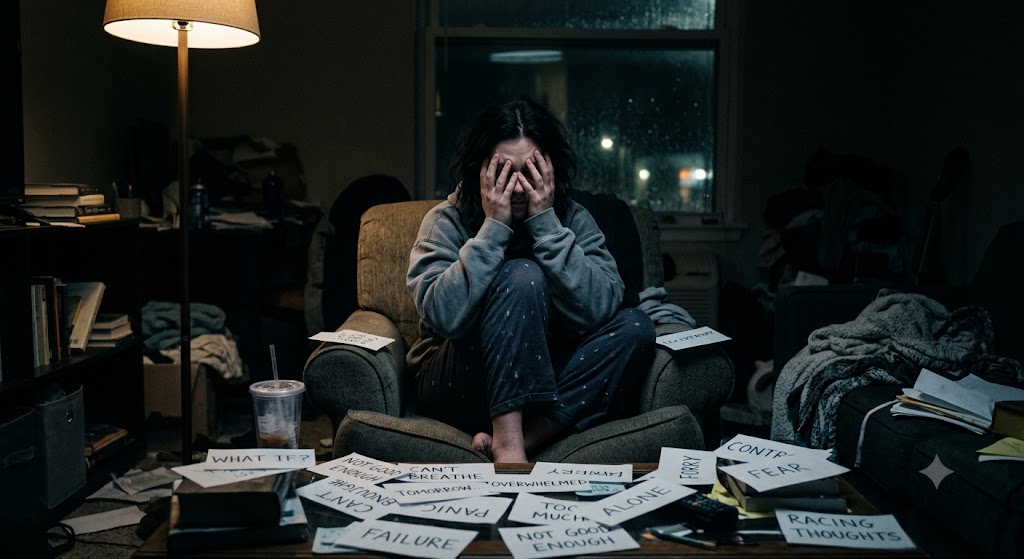
Anxiety and phobias rarely become overwhelming overnight. In many cases, they begin with occasional worry, avoidance of certain situations, or physical symptoms that seem manageable at first. Over time, however, these patterns can become more intense, making it harder to work, maintain relationships, enjoy hobbies, or focus on recovery from addiction. The good news is that early mental health treatment can make a significant difference. By recognizing symptoms early and seeking personalized care, individuals can reduce the impact of anxiety, prevent phobias from becoming deeply rooted, and build the skills needed for lasting emotional wellness.
At anxietypanicattacksphobias.com, treatment is centered on compassionate, individualized care that supports every stage of healing. Through comprehensive inpatient and outpatient programs, evidence-based therapies, holistic wellness services, and faith-based support for those who desire it, individuals receive the guidance they need to overcome anxiety, panic attacks, phobias, and co-occurring substance use disorders.
Why Early Intervention Matters
Many people delay seeking help because they believe anxiety will eventually disappear on its own. Others may feel embarrassed about their symptoms or assume they simply need to “push through” their fears. Unfortunately, untreated anxiety often becomes more difficult to manage over time.
Early treatment provides several important benefits, including:
- Preventing symptoms from becoming more severe
- Reducing the likelihood of panic attacks
- Limiting avoidance behaviors that reinforce fear
- Improving relationships and daily functioning
- Supporting healthier long-term recovery from addiction
Receiving help early gives individuals the opportunity to develop effective coping strategies before anxiety begins to interfere with every aspect of life.
How Anxiety and Phobias Develop
Anxiety is a natural response to stress. It becomes a concern when fear remains constant or appears in situations where there is little or no actual danger.
Phobias develop when the brain begins associating specific objects, places, or situations with danger. Each time a person avoids the feared situation, the brain reinforces that association, making future anxiety even stronger.
Common phobias may involve:
- Crowded places
- Driving
- Flying
- Medical appointments
- Public speaking
- Social situations
- Heights
- Enclosed spaces
Without treatment, avoidance often expands into other areas of life, reducing independence and confidence.
Recognizing the Early Warning Signs
Early symptoms of anxiety are not always dramatic. They often appear as subtle emotional or physical changes.
Emotional Signs
You may notice:
- Persistent worry
- Difficulty relaxing
- Feeling overwhelmed by everyday responsibilities
- Increased irritability
- Fear that something bad will happen
Physical Signs
The body may respond with:
- Muscle tension
- Fatigue
- Headaches
- Rapid heartbeat
- Upset stomach
- Difficulty sleeping
Recognizing these signs early allows individuals to seek professional support before symptoms become more disruptive.
The Connection Between Mental Health and Addiction
Anxiety and substance use disorders frequently occur together. Some individuals begin using alcohol or drugs to temporarily reduce anxious thoughts or physical discomfort. Although substances may provide short-term relief, they often worsen anxiety over time and increase the risk of dependence.
Integrated treatment addresses both mental health and addiction simultaneously. This comprehensive approach improves emotional stability while strengthening long-term recovery and reducing the likelihood of relapse.
Personalized Treatment Creates Better Outcomes
Every person experiences anxiety differently. Personalized treatment focuses on identifying each individual’s unique challenges, goals, and strengths.
Individual Therapy
One-on-one counseling provides a safe, supportive environment where individuals can explore personal triggers, process difficult emotions, and develop healthier coping strategies.
Cognitive Behavioral Therapy
Cognitive behavioral therapy helps individuals identify unhelpful thought patterns that contribute to anxiety and replace them with healthier ways of thinking.
As new thinking patterns develop, emotional responses become more balanced and manageable.
Exposure-Based Therapy
When appropriate, gradual exposure therapy helps individuals safely face feared situations in manageable steps.
This approach teaches the brain that feared situations are not as dangerous as they seem, allowing confidence to grow over time.
Holistic Approaches Support Lasting Healing
Mental health recovery is strongest when treatment addresses the whole person rather than symptoms alone.
Mindfulness and Relaxation
Mindfulness practices help individuals become more aware of anxious thoughts without immediately reacting to them. Deep breathing, meditation, and guided relaxation can reduce stress while calming the nervous system.
Physical Wellness
Regular exercise, nutritious meals, and consistent sleep all contribute to improved emotional regulation and reduced anxiety symptoms.
Faith-Based Support
For those who desire spiritual guidance, faith-based care can offer hope, encouragement, and a renewed sense of purpose. Spiritual support often complements clinical treatment by strengthening resilience during difficult times.
Building Healthy Habits Before Anxiety Grows
Professional treatment is most effective when combined with healthy daily habits.
Helpful practices include:
- Maintaining a consistent daily schedule
- Practicing stress management techniques
- Staying physically active
- Limiting caffeine and other stimulants
- Building supportive relationships
- Attending therapy consistently
- Participating in recovery support groups when appropriate
These habits reinforce the progress made during treatment and promote long-term emotional wellbeing.
Recovery Is a Journey, Not a Race
Healing from anxiety or phobias takes time, but every positive step creates momentum. Seeking help early allows individuals to build resilience before fear becomes deeply established. Instead of allowing anxiety to dictate decisions, people learn to respond with confidence, healthy coping skills, and greater emotional flexibility.
With consistent support and personalized care, meaningful progress is possible.
Conclusion
Early mental health treatment can make the difference between temporary anxiety and long-term emotional freedom. By recognizing symptoms early, addressing underlying causes, and developing effective coping skills, individuals can prevent anxiety and phobias from taking control of their lives. Combined with integrated addiction treatment, holistic wellness practices, and compassionate professional guidance, recovery becomes both achievable and sustainable.
If anxiety, panic attacks, phobias, or co-occurring substance use challenges are affecting your wellbeing, you do not have to face them alone. At anxietypanicattacksphobias.com, experienced professionals provide individualized inpatient and outpatient care designed to support lasting healing. Through evidence-based therapies, holistic approaches, faith-based support, and personalized treatment planning, you can build the confidence, resilience, and peace of mind needed to move forward with hope and live a healthier, more fulfilling life.