August 3

How Early Mental Health Treatment Can Prevent Anxiety and Phobias From Taking Over Your Life

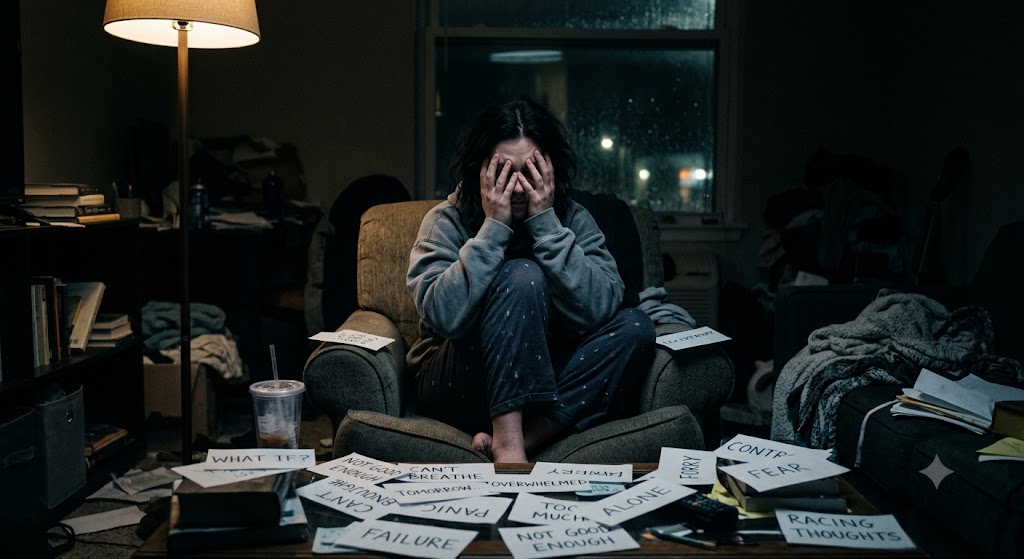
Anxiety and phobias rarely become overwhelming overnight. In many cases, they begin with occasional worry, avoidance of certain situations, or physical symptoms that seem manageable at first. Over time, however, these patterns can become more intense, making it harder to work, maintain relationships, enjoy hobbies, or focus on recovery from addiction. The good news is that early mental health treatment can make a significant difference. By recognizing symptoms early and seeking personalized care, individuals can reduce the impact of anxiety, prevent phobias from becoming deeply rooted, and build the skills needed for lasting emotional wellness.

At anxietypanicattacksphobias.com, treatment is centered on compassionate, individualized care that supports every stage of healing. Through comprehensive inpatient and outpatient programs, evidence-based therapies, holistic wellness services, and faith-based support for those who desire it, individuals receive the guidance they need to overcome anxiety, panic attacks, phobias, and co-occurring substance use disorders.

Why Early Intervention Matters

Many people delay seeking help because they believe anxiety will eventually disappear on its own. Others may feel embarrassed about their symptoms or assume they simply need to “push through” their fears. Unfortunately, untreated anxiety often becomes more difficult to manage over time.

Early treatment provides several important benefits, including:

  • Preventing symptoms from becoming more severe
  • Reducing the likelihood of panic attacks
  • Limiting avoidance behaviors that reinforce fear
  • Improving relationships and daily functioning
  • Supporting healthier long-term recovery from addiction

Receiving help early gives individuals the opportunity to develop effective coping strategies before anxiety begins to interfere with every aspect of life.

How Anxiety and Phobias Develop

Anxiety is a natural response to stress. It becomes a concern when fear remains constant or appears in situations where there is little or no actual danger.

Phobias develop when the brain begins associating specific objects, places, or situations with danger. Each time a person avoids the feared situation, the brain reinforces that association, making future anxiety even stronger.

Common phobias may involve:

  • Crowded places
  • Driving
  • Flying
  • Medical appointments
  • Public speaking
  • Social situations
  • Heights
  • Enclosed spaces

Without treatment, avoidance often expands into other areas of life, reducing independence and confidence.

Recognizing the Early Warning Signs

Early symptoms of anxiety are not always dramatic. They often appear as subtle emotional or physical changes.

Emotional Signs

You may notice:

  • Persistent worry
  • Difficulty relaxing
  • Feeling overwhelmed by everyday responsibilities
  • Increased irritability
  • Fear that something bad will happen

Physical Signs

The body may respond with:

  • Muscle tension
  • Fatigue
  • Headaches
  • Rapid heartbeat
  • Upset stomach
  • Difficulty sleeping

Recognizing these signs early allows individuals to seek professional support before symptoms become more disruptive.

The Connection Between Mental Health and Addiction

Anxiety and substance use disorders frequently occur together. Some individuals begin using alcohol or drugs to temporarily reduce anxious thoughts or physical discomfort. Although substances may provide short-term relief, they often worsen anxiety over time and increase the risk of dependence.

Integrated treatment addresses both mental health and addiction simultaneously. This comprehensive approach improves emotional stability while strengthening long-term recovery and reducing the likelihood of relapse.

Personalized Treatment Creates Better Outcomes

Every person experiences anxiety differently. Personalized treatment focuses on identifying each individual’s unique challenges, goals, and strengths.

Individual Therapy

One-on-one counseling provides a safe, supportive environment where individuals can explore personal triggers, process difficult emotions, and develop healthier coping strategies.

Cognitive Behavioral Therapy

Cognitive behavioral therapy helps individuals identify unhelpful thought patterns that contribute to anxiety and replace them with healthier ways of thinking.

As new thinking patterns develop, emotional responses become more balanced and manageable.

Exposure-Based Therapy

When appropriate, gradual exposure therapy helps individuals safely face feared situations in manageable steps.

This approach teaches the brain that feared situations are not as dangerous as they seem, allowing confidence to grow over time.

Holistic Approaches Support Lasting Healing

Mental health recovery is strongest when treatment addresses the whole person rather than symptoms alone.

Mindfulness and Relaxation

Mindfulness practices help individuals become more aware of anxious thoughts without immediately reacting to them. Deep breathing, meditation, and guided relaxation can reduce stress while calming the nervous system.

Physical Wellness

Regular exercise, nutritious meals, and consistent sleep all contribute to improved emotional regulation and reduced anxiety symptoms.

Faith-Based Support

For those who desire spiritual guidance, faith-based care can offer hope, encouragement, and a renewed sense of purpose. Spiritual support often complements clinical treatment by strengthening resilience during difficult times.

Building Healthy Habits Before Anxiety Grows

Professional treatment is most effective when combined with healthy daily habits.

Helpful practices include:

  • Maintaining a consistent daily schedule
  • Practicing stress management techniques
  • Staying physically active
  • Limiting caffeine and other stimulants
  • Building supportive relationships
  • Attending therapy consistently
  • Participating in recovery support groups when appropriate

These habits reinforce the progress made during treatment and promote long-term emotional wellbeing.

Recovery Is a Journey, Not a Race

Healing from anxiety or phobias takes time, but every positive step creates momentum. Seeking help early allows individuals to build resilience before fear becomes deeply established. Instead of allowing anxiety to dictate decisions, people learn to respond with confidence, healthy coping skills, and greater emotional flexibility.

With consistent support and personalized care, meaningful progress is possible.

Conclusion

Early mental health treatment can make the difference between temporary anxiety and long-term emotional freedom. By recognizing symptoms early, addressing underlying causes, and developing effective coping skills, individuals can prevent anxiety and phobias from taking control of their lives. Combined with integrated addiction treatment, holistic wellness practices, and compassionate professional guidance, recovery becomes both achievable and sustainable.

If anxiety, panic attacks, phobias, or co-occurring substance use challenges are affecting your wellbeing, you do not have to face them alone. At anxietypanicattacksphobias.com, experienced professionals provide individualized inpatient and outpatient care designed to support lasting healing. Through evidence-based therapies, holistic approaches, faith-based support, and personalized treatment planning, you can build the confidence, resilience, and peace of mind needed to move forward with hope and live a healthier, more fulfilling life.

July 27

Living Beyond Fear: Everyday Habits That Help Reduce Anxiety and Build Emotional Resilience

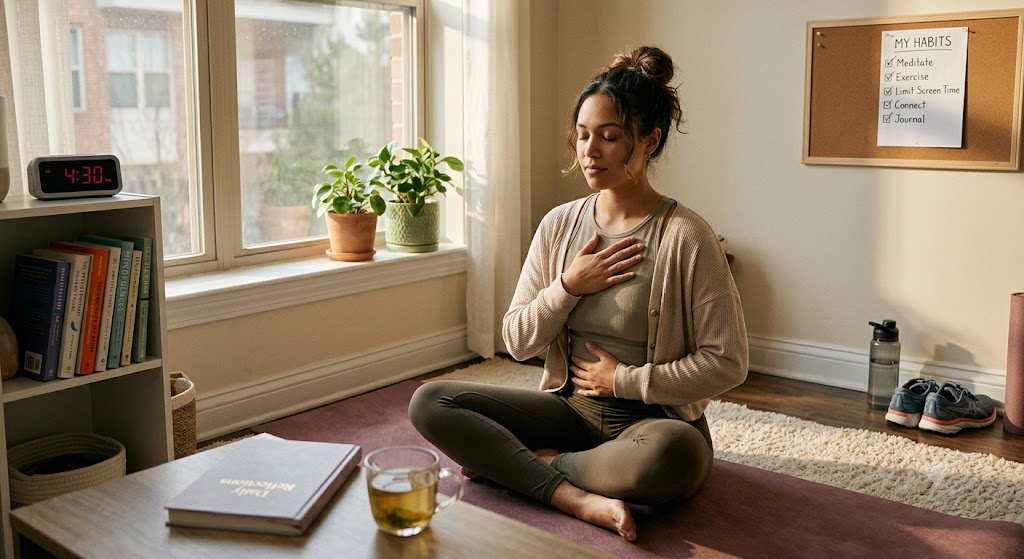
Living with anxiety can feel like carrying an invisible weight that affects every part of your day. Simple tasks may seem overwhelming, unexpected situations can trigger intense worry, and persistent fear may make it difficult to enjoy life or stay focused on recovery. While anxiety is a common mental health challenge, it does not have to define your future. Building emotional resilience through healthy daily habits can help reduce anxiety, improve confidence, and support long-term recovery from both mental health conditions and substance use disorders.

At anxietypanicattacksphobias.com, treatment focuses on helping individuals heal through compassionate, personalized care. Whether someone is seeking support for anxiety, panic attacks, phobias, or co-occurring addiction, comprehensive inpatient and outpatient programs combine evidence-based therapies with holistic and faith-based approaches to promote lasting emotional wellness. Recovery is not about avoiding fear. It is about developing the tools to move forward despite it.

What Does It Mean to Build Emotional Resilience?

Emotional resilience is the ability to adapt to stress, recover from setbacks, and respond to life’s challenges in healthy ways. It does not mean never feeling anxious or overwhelmed. Instead, resilience helps you manage difficult emotions without allowing them to control your decisions or interfere with your recovery.

Resilience grows over time through consistent habits, supportive relationships, and effective mental health treatment. Every positive choice strengthens your ability to handle future challenges with greater confidence.

Why Anxiety Often Persists Without Healthy Habits

Anxiety affects both the mind and the body. When stress becomes chronic, the nervous system remains on high alert, making it easier for everyday situations to trigger fear or panic.

Without healthy coping strategies, people may begin to:

  • Avoid situations that feel uncomfortable.
  • Isolate themselves from friends and family.
  • Depend on unhealthy behaviors to manage stress.
  • Experience increased anxiety over time.

Developing healthy routines helps regulate the nervous system and reduces the intensity of anxious thoughts and physical symptoms.

Everyday Habits That Support Anxiety Recovery

Create a Consistent Daily Routine

Structure provides a sense of stability that can reduce uncertainty and stress.

A healthy daily routine may include:

  • Waking up and going to bed at consistent times.
  • Scheduling meals throughout the day.
  • Setting aside time for exercise.
  • Practicing relaxation techniques.
  • Attending therapy or recovery meetings.

Small routines create predictability, which can help calm an overactive nervous system.

Stay Physically Active

Regular movement supports both mental and physical health.

Activities such as walking, swimming, cycling, or yoga can:

  • Reduce stress hormones.
  • Improve mood.
  • Increase energy.
  • Support better sleep.
  • Enhance emotional wellbeing.

Even short periods of daily activity can make a meaningful difference.

Practice Mindfulness Every Day

Mindfulness helps you remain focused on the present instead of becoming overwhelmed by future worries or past experiences.

Simple mindfulness practices include:

  • Paying attention to your breathing.
  • Observing your thoughts without judgment.
  • Taking a few quiet moments to notice your surroundings.
  • Practicing gratitude throughout the day.

Over time, mindfulness can improve emotional regulation and reduce anxious thinking.

Nourish Your Mind and Body

The connection between physical health and emotional wellbeing is powerful.

Healthy lifestyle habits include:

Prioritize Quality Sleep

Poor sleep can increase anxiety, reduce concentration, and make emotional regulation more difficult.

Aim for a consistent bedtime routine that allows your body to rest and recover.

Eat Balanced Meals

Proper nutrition supports healthy brain function and stable energy levels. Eating balanced meals throughout the day helps maintain emotional balance and reduces physical stress on the body.

Stay Hydrated

Dehydration may contribute to fatigue, headaches, and increased feelings of stress. Drinking enough water supports overall physical and mental health.

Build Healthy Connections

Recovery is stronger when you have people who encourage your progress.

Supportive relationships may include:

  • Family members
  • Trusted friends
  • Therapists
  • Recovery groups
  • Spiritual leaders

Connecting with others reduces isolation while providing encouragement during difficult moments.

Address Anxiety Before It Becomes Overwhelming

Learning to recognize early warning signs allows you to respond before anxiety escalates.

Common signs include:

  • Restlessness
  • Muscle tension
  • Difficulty concentrating
  • Racing thoughts
  • Changes in sleep
  • Increased irritability

Responding early with healthy coping strategies often prevents anxiety from developing into panic.

Personalized Treatment Supports Lasting Recovery

Although healthy habits are valuable, professional treatment is often necessary when anxiety significantly affects daily life or recovery.

Cognitive Behavioral Therapy

Cognitive behavioral therapy helps individuals identify negative thought patterns, challenge fearful beliefs, and develop healthier ways of thinking.

Trauma-Informed Care

Past traumatic experiences often contribute to chronic anxiety. Trauma-informed therapy helps individuals heal in a supportive, compassionate environment while building long-term resilience.

Integrated Mental Health and Addiction Treatment

Many individuals experience anxiety alongside substance use disorders. Treating both conditions together provides a more complete path toward lasting recovery while reducing the risk of relapse.

Holistic Approaches That Complement Clinical Care

Whole-person healing recognizes that emotional wellness involves the mind, body, and spirit.

Holistic therapies may include:

Meditation and Relaxation Techniques

Relaxation exercises help calm the nervous system while reducing stress and physical tension.

Yoga and Gentle Movement

Yoga combines physical activity with mindful breathing, supporting emotional balance and increased body awareness.

Faith-Based Support

For individuals seeking spiritual guidance, faith-based care offers hope, encouragement, and a renewed sense of purpose. Combined with professional mental health treatment, spiritual support can strengthen resilience and provide comfort throughout the recovery journey.

Recovery Happens One Day at a Time

Building emotional resilience is not about becoming fearless. It is about learning to respond to fear with confidence, healthy coping skills, and self-compassion. Every positive habit you develop strengthens your ability to manage anxiety while supporting long-term mental health and addiction recovery.

Progress may come gradually, but every small step matters. Over time, those daily choices become the foundation for a healthier, more balanced life.

Conclusion

Living beyond fear begins with understanding that anxiety does not have to control your future. Healthy daily habits, personalized mental health treatment, and compassionate support work together to reduce anxiety, strengthen emotional resilience, and promote lasting recovery. By caring for your mind, body, and spirit, you can build the confidence needed to navigate life’s challenges with greater peace and stability.

If anxiety, panic attacks, phobias, or co-occurring addiction concerns are affecting your quality of life, professional help is available. At anxietypanicattacksphobias.com, experienced clinicians provide individualized inpatient and outpatient treatment that combines evidence-based therapies, holistic wellness, faith-based support, and integrated addiction care. Taking the first step today can help you move beyond fear and begin building a healthier, more hopeful future.

July 22

Understanding the Physical Symptoms of Panic Attacks: Why Your Body Reacts Before Your Mind

A panic attack can seem to come out of nowhere. One moment you are going about your day, and the next your heart is pounding, your breathing feels out of control, and your body is overwhelmed by an intense sense of fear. Many people assume something is seriously wrong physically because the symptoms feel so real. However, panic attacks are often the result of the body’s stress response activating before the conscious mind has fully processed what is happening. Understanding why your body reacts this way can reduce fear, increase confidence, and help you take meaningful steps toward recovery.

At anxietypanicattacksphobias.com, compassionate care is built around treating the whole person. Through individualized mental health treatment, addiction recovery services, inpatient and outpatient programs, holistic therapies, and faith-based support for those who seek it, individuals receive comprehensive care that addresses both the emotional and physical aspects of anxiety and panic disorders. With the right treatment plan, it is possible to reduce panic attacks and regain control over your life.

What Happens During a Panic Attack?

A panic attack is a sudden activation of the body’s fight or flight response. This built-in survival system is designed to protect you from danger by preparing your body to react quickly. The challenge is that during a panic attack, this response is triggered even when there is no immediate threat.

Instead of responding to actual danger, the brain mistakenly signals the body to prepare for an emergency. Within seconds, several physical changes begin to occur.

Common physical symptoms include:

  • Rapid heartbeat
  • Chest tightness or discomfort
  • Shortness of breath
  • Sweating
  • Trembling or shaking
  • Dizziness or lightheadedness
  • Nausea or stomach discomfort
  • Tingling in the hands, feet, or face
  • Feeling detached from your surroundings
  • Sudden chills or hot flashes

These symptoms are frightening, but they are the result of your body’s protective response rather than a sign that you are losing control.

Why Your Body Reacts Before Your Mind

Many people wonder why panic attacks seem to happen without warning. The answer lies in how the brain processes perceived danger.

The Brain Prioritizes Survival

The brain is constantly scanning for possible threats. When it detects something it interprets as dangerous, even incorrectly, it activates the nervous system before your conscious mind has time to evaluate the situation.

This rapid response helped our ancestors survive dangerous situations. Today, however, stress, trauma, anxiety disorders, or certain environmental triggers can cause the same response when no physical danger exists.

Stress Hormones Act Quickly

Once the fight or flight response is activated, stress hormones such as adrenaline are released into the bloodstream.

These hormones cause:

  • Faster heart rate
  • Increased breathing
  • Sharper focus
  • Greater muscle tension
  • Increased blood flow to major muscles

These physical changes occur automatically because the body believes it needs to protect itself.

Why Panic Symptoms Feel So Frightening

The intensity of physical symptoms often causes people to believe they are experiencing a medical emergency.

For example:

  • A racing heart may feel like a heart attack.
  • Dizziness may create fear of fainting.
  • Shortness of breath may lead to fear of suffocation.

These thoughts naturally increase anxiety, causing the body to produce even more stress hormones. As a result, panic symptoms become stronger, creating a cycle that feels difficult to stop.

Understanding this pattern helps reduce fear and makes recovery more achievable.

The Connection Between Panic Attacks and Addiction Recovery

Many individuals entering addiction recovery also experience anxiety or panic attacks. In some cases, substances were previously used to temporarily reduce emotional distress or numb uncomfortable physical sensations.

After substance use ends, the nervous system begins adjusting, and anxiety symptoms may temporarily become more noticeable.

Common recovery challenges include:

  • Emotional stress
  • Changes in brain chemistry
  • Unresolved trauma
  • Fear of relapse
  • Adjusting to healthier coping methods

Integrated treatment addresses both addiction and anxiety together, improving long-term recovery outcomes.

Practical Strategies to Calm the Body During Panic

Focus on Slow, Controlled Breathing

Because panic often causes rapid breathing, slowing your breath can help calm the nervous system.

A simple breathing exercise includes:

  • Inhale slowly through your nose for four seconds.
  • Hold your breath for four seconds.
  • Exhale gently through your mouth for six seconds.
  • Repeat several times until your breathing becomes more comfortable.

Practice Grounding Techniques

Grounding helps shift attention away from frightening physical sensations.

One effective method is identifying:

  • Five things you can see
  • Four things you can touch
  • Three things you can hear
  • Two things you can smell
  • One thing you can taste

This exercise helps reconnect your mind with the present moment.

Move Your Body Gently

Light physical activity such as walking or stretching helps release muscle tension while signaling to your nervous system that you are safe.

Personalized Treatment Provides Lasting Relief

Managing panic attacks involves more than calming symptoms during an episode. Long-term recovery focuses on understanding triggers, building emotional resilience, and treating underlying mental health concerns.

Personalized treatment may include:

Cognitive Behavioral Therapy

Cognitive behavioral therapy helps individuals recognize anxious thought patterns and replace them with healthier responses. This evidence-based approach is highly effective for panic disorders.

Trauma-Informed Therapy

For individuals whose panic attacks are connected to past trauma, trauma-informed care creates a supportive environment for healing while reducing emotional distress.

Holistic Healing Approaches

Whole-person care may include mindfulness, yoga, meditation, nutrition counseling, exercise planning, and stress management techniques that support emotional and physical wellness.

Faith-Based Support

For those who value spiritual care, faith-based services can provide hope, encouragement, and a greater sense of purpose while complementing professional mental health treatment.

Conclusion

The physical symptoms of panic attacks are real, but they do not mean you are in immediate danger. They are the result of your body’s natural survival system responding too quickly to perceived threats. By understanding why your body reacts before your mind, you can begin replacing fear with knowledge and confidence.

If panic attacks, anxiety, or co-occurring addiction challenges are affecting your daily life, professional support can make a meaningful difference. At anxietypanicattacksphobias.com, compassionate clinicians provide individualized inpatient and outpatient care that combines evidence-based therapy, holistic healing, faith-based support, and integrated addiction treatment. With the right guidance and personalized care, you can learn to calm your body’s response, reduce panic, and move forward with greater confidence, resilience, and lasting peace.

July 16

Why Avoiding Anxiety Makes It Stronger and What Healthy Recovery Looks Like Instead

Anxiety has a way of convincing people that avoiding uncomfortable situations is the safest choice. Skipping social events, canceling appointments, avoiding certain places, or relying on unhealthy coping methods may offer temporary relief, but these behaviors often make anxiety more powerful over time. What begins as an attempt to feel better can gradually become a cycle that limits independence, damages relationships, and increases emotional distress. The good news is that recovery from anxiety is possible. By replacing avoidance with healthy coping strategies and personalized treatment, individuals can retrain their minds, regain confidence, and build lasting emotional resilience.

At anxietypanicattacksphobias.com, treatment is centered on helping individuals understand the root causes of anxiety, panic attacks, and phobias while addressing co-occurring addiction and mental health conditions. Through individualized inpatient and outpatient care, evidence-based therapies, holistic healing practices, and faith-based support for those who choose it, every person receives a treatment plan designed to promote long-term wellness.

Why Avoidance Feels Like the Right Choice

When anxiety becomes overwhelming, the brain naturally seeks ways to reduce discomfort. Avoiding a feared situation often provides immediate relief, making it seem like an effective solution.

For example, someone with social anxiety may decline invitations to gatherings. A person with panic attacks may avoid driving or crowded places. Someone in addiction recovery may isolate themselves because they fear stressful situations.

Although avoidance may reduce anxiety in the short term, it teaches the brain that the situation is dangerous. As a result, anxiety becomes stronger the next time the trigger appears.

The Anxiety Avoidance Cycle

Understanding this pattern is an important step toward recovery.

A Trigger Appears

The trigger may be a place, situation, thought, memory, or physical sensation that causes anxiety.

Fear Activates the Nervous System

The body responds with symptoms such as:

  • Rapid heartbeat
  • Sweating
  • Muscle tension
  • Shortness of breath
  • Dizziness
  • Restlessness

These symptoms are uncomfortable but are part of the body’s natural stress response.

Avoidance Brings Temporary Relief

Leaving the situation or avoiding it altogether may reduce anxiety for the moment.

Unfortunately, this relief reinforces the belief that avoidance is necessary for safety.

Anxiety Grows Stronger

Over time, more situations begin to feel threatening. Daily activities become increasingly difficult, and confidence continues to decline.

Why Anxiety Often Appears During Addiction Recovery

Many people entering addiction treatment have used drugs or alcohol to temporarily numb anxious thoughts or emotional discomfort. Once substance use stops, those feelings often become more noticeable.

Recovery may also involve:

  • Rebuilding relationships
  • Managing financial stress
  • Returning to work or school
  • Processing unresolved trauma
  • Developing healthier coping skills

These life changes can increase anxiety if they are faced without appropriate support.

Treating both addiction and anxiety together is essential for creating lasting recovery.

Healthy Recovery Looks Different

Recovery from anxiety is not about eliminating every uncomfortable emotion. Instead, it involves learning how to respond to anxiety in healthier ways without allowing it to control daily life.

Gradually Facing Fears

One of the most effective ways to reduce anxiety is through gradual exposure.

Working with a qualified therapist, individuals safely face feared situations one step at a time. Each positive experience teaches the brain that anxiety can be tolerated without avoiding the situation.

Over time, confidence grows while fear loses its influence.

Developing Healthy Coping Skills

Effective coping strategies reduce anxiety while strengthening emotional resilience.

Helpful techniques include:

  • Deep breathing exercises
  • Progressive muscle relaxation
  • Mindfulness meditation
  • Journaling
  • Physical activity
  • Spending time in supportive environments

Practicing these skills consistently helps regulate the nervous system and improve emotional balance.

Personalized Mental Health Treatment Makes a Difference

No two people experience anxiety in exactly the same way. Individualized treatment addresses each person’s unique experiences, goals, and recovery needs.

Cognitive Behavioral Therapy

Cognitive behavioral therapy helps identify negative thinking patterns that increase anxiety.

Individuals learn to:

  • Recognize distorted thoughts.
  • Challenge fearful beliefs.
  • Replace unhelpful thinking with balanced perspectives.
  • Build confidence through healthier responses.

This evidence-based therapy is one of the most effective treatments for anxiety disorders and panic attacks.

Trauma Informed Care

For many people, anxiety is connected to unresolved trauma. Trauma-informed therapy creates a safe and supportive environment where healing can occur without judgment.

Integrated Addiction and Mental Health Care

Treating anxiety without addressing addiction, or treating addiction without addressing anxiety, often leaves important needs unmet.

Integrated treatment provides comprehensive care that supports long-term emotional stability while reducing the risk of relapse.

Holistic Approaches That Strengthen Recovery

Whole-person healing supports both emotional and physical wellbeing.

Holistic services may include:

Mindfulness and Meditation

Mindfulness helps individuals become more aware of anxious thoughts without automatically reacting to them.

Exercise and Movement

Walking, yoga, swimming, and other forms of exercise naturally reduce stress hormones while improving mood and sleep quality.

Nutrition and Healthy Sleep

A balanced diet and consistent sleep schedule support healthy brain function and emotional regulation.

Faith-Based Support

For individuals who desire spiritual guidance, faith-based care can provide hope, encouragement, and renewed purpose throughout recovery. Combined with clinical treatment, spiritual support often strengthens resilience during difficult times.

Building Confidence One Step at a Time

Recovery is not measured by the complete absence of anxiety. Instead, success comes from learning to move forward even when anxiety is present.

Each small step builds confidence. Every challenge faced without avoidance teaches the brain that fear does not have to control decisions. Over time, situations that once felt impossible become manageable, allowing individuals to experience greater freedom and independence.

Conclusion

Avoiding anxiety may seem helpful in the moment, but it often strengthens fear and limits personal growth over time. Healthy recovery involves understanding how anxiety works, developing effective coping strategies, and gradually replacing avoidance with confidence. With personalized mental health treatment, holistic support, and integrated addiction recovery services, lasting change is possible.

If anxiety, panic attacks, phobias, or substance use are preventing you from living the life you deserve, professional help is available. At anxietypanicattacksphobias.com, compassionate clinicians provide individualized inpatient and outpatient care designed to address the whole person. Through evidence-based therapies, holistic healing, and personalized support, you can break free from the cycle of avoidance, strengthen your recovery, and move toward a healthier, more confident future.

July 8

From Fear to Freedom: How Personalized Treatment Helps Overcome Anxiety and Phobias Long-Term

Living with anxiety or a phobia can make even the simplest daily activities feel overwhelming. Whether it is avoiding crowded places, feeling trapped by panic, or constantly worrying about situations that others navigate with ease, these conditions can gradually limit independence and diminish quality of life. The encouraging reality is that anxiety and phobias are highly treatable. With personalized mental health care that addresses each person’s unique experiences, lasting recovery is possible. Instead of simply managing symptoms, individualized treatment helps people understand the root of their fears, develop healthier coping skills, and regain confidence one step at a time.

At anxietypanicattacksphobias.com, compassionate care extends beyond symptom relief. Through comprehensive inpatient and outpatient treatment, evidence-based therapies, holistic healing methods, and faith-based support for those who desire it, individuals receive customized treatment plans designed to promote lasting emotional wellness. For those also facing addiction, integrated care addresses both substance use and mental health together, creating a stronger foundation for lifelong recovery.

Understanding Anxiety and Phobias

Anxiety is a natural response to stress, but when it becomes persistent or overwhelming, it can interfere with daily life. Phobias are a type of anxiety disorder characterized by intense fear of specific situations, places, objects, or experiences that pose little or no actual danger.

Common examples include:

  • Fear of flying
  • Fear of enclosed spaces
  • Social anxiety
  • Fear of driving
  • Fear of medical procedures
  • Fear of public speaking

Although individuals often recognize that their fear is irrational, the emotional and physical reactions can feel impossible to control without professional support.

How Fear Becomes a Long-Term Pattern

Fear is not simply an emotional experience. It involves complex interactions between the brain, nervous system, and learned behaviors.

A common cycle develops like this:

  1. A person encounters a feared situation.
  2. The brain activates the fight or flight response.
  3. Physical symptoms such as rapid heartbeat and dizziness appear.
  4. The individual avoids the situation.
  5. The brain interprets avoidance as protection.
  6. The fear grows stronger over time.

Breaking this cycle requires more than willpower. It requires learning new ways for the brain and body to respond through structured, evidence-based treatment.

Why Personalized Treatment Makes the Difference

No two people experience anxiety or phobias in exactly the same way. Personal history, trauma, family dynamics, mental health conditions, and addiction recovery all influence how symptoms develop.

A personalized treatment plan addresses these unique factors rather than relying on a standard approach.

Individual Therapy

One-on-one counseling creates a safe environment to explore fears, identify triggers, and develop practical coping skills that fit each person’s daily life.

Therapy also helps individuals build confidence while addressing the emotional experiences that contribute to anxiety.

Cognitive Behavioral Therapy

Cognitive behavioral therapy is one of the most effective treatments for anxiety and phobias.

This evidence-based approach helps individuals:

  • Recognize unhelpful thinking patterns.
  • Challenge fearful beliefs.
  • Replace negative thoughts with healthier perspectives.
  • Respond more calmly to stressful situations.

Over time, these changes reduce anxiety while improving emotional resilience.

Gradual Exposure Therapy

Avoiding feared situations often strengthens anxiety. Carefully guided exposure therapy helps individuals safely face fears one step at a time.

Each success teaches the brain that feared situations are manageable, gradually reducing anxiety while building confidence.

Treating Anxiety Alongside Addiction

Many individuals seeking addiction treatment also struggle with anxiety disorders or phobias. Sometimes substances become an unhealthy way to cope with overwhelming emotions.

When anxiety remains untreated, the risk of relapse increases because stressful situations may trigger cravings.

Integrated treatment addresses both conditions simultaneously by providing:

  • Mental health counseling
  • Addiction recovery support
  • Relapse prevention planning
  • Emotional regulation skills
  • Long-term recovery strategies

This comprehensive approach creates stronger and more sustainable recovery outcomes.

Holistic Approaches That Support Long-Term Healing

Healing involves much more than therapy sessions. Holistic care strengthens emotional wellbeing while improving physical health.

Mindfulness and Meditation

Mindfulness teaches individuals to observe thoughts without immediately reacting to them. This reduces emotional reactivity and helps create a greater sense of calm.

Exercise and Movement

Regular physical activity helps regulate stress hormones while improving mood, sleep, and overall mental wellness.

Activities such as walking, yoga, and swimming provide natural support for anxiety management.

Healthy Lifestyle Habits

Daily habits can significantly influence emotional wellbeing.

Helpful practices include:

  • Maintaining consistent sleep schedules
  • Eating balanced, nutritious meals
  • Limiting caffeine and other stimulants
  • Practicing relaxation exercises
  • Staying connected with supportive relationships

Small daily choices contribute to lasting emotional stability.

Faith-Based Support

For individuals seeking spiritual guidance, faith-based care can provide hope, encouragement, and renewed purpose throughout the recovery journey. When combined with clinical treatment, spiritual support often strengthens resilience during challenging times.

Building Confidence for Life Beyond Fear

Recovery is not measured by the complete absence of fear. Instead, success comes from developing the confidence to move forward despite occasional anxiety.

Every healthy decision, every therapy session, and every step toward facing fear helps strengthen emotional resilience. Over time, situations that once seemed impossible often become manageable, allowing individuals to reclaim the freedom that anxiety once limited.

Conclusion

Anxiety and phobias do not have to define your future. With personalized treatment that addresses your unique experiences, lasting healing is possible. Evidence-based therapies, holistic wellness practices, integrated addiction treatment, and compassionate professional support work together to help individuals replace fear with confidence and uncertainty with hope.

If anxiety, panic attacks, phobias, or co-occurring addiction challenges are preventing you from living the life you want, professional help is available. At anxietypanicattacksphobias.com, experienced clinicians provide individualized inpatient and outpatient care designed to help you heal emotionally, mentally, physically, and spiritually. Taking the first step toward treatment can open the door to greater confidence, lasting recovery, and the freedom to enjoy life without fear controlling your future.

July 1

Anxiety in Recovery: Why It Happens and How to Manage It Without Relapse Triggers

Recovery is about much more than stopping substance use. It is a process of healing the mind, body, and spirit while learning healthier ways to respond to life’s challenges. One of the most common obstacles people encounter during recovery is anxiety. Many individuals are surprised when feelings of nervousness, worry, or panic become more noticeable after they stop using drugs or alcohol. While this experience can feel discouraging, it is often a normal part of the recovery journey. More importantly, anxiety can be successfully managed with the right treatment, practical coping strategies, and ongoing support.

At anxietypanicattacksphobias.com, recovery is approached through compassionate, individualized care that addresses both addiction and mental health. Whether through inpatient or outpatient treatment, evidence-based therapies, holistic wellness practices, or faith-based support, every treatment plan is designed to help individuals build lasting emotional stability while reducing the risk of relapse.

Why Anxiety Is Common During Recovery

Substance use often becomes a way to temporarily escape emotional pain, chronic stress, or unresolved trauma. Once substances are removed, those underlying emotions may become more noticeable.

Recovery also brings significant physical and emotional changes. As the brain begins healing, it must relearn how to regulate stress and process emotions naturally. During this adjustment period, anxiety can become more frequent.

Common reasons anxiety develops during recovery include:

  • Changes in brain chemistry
  • Unresolved trauma or grief
  • Fear of relapse or failure
  • Stress from rebuilding relationships
  • Financial or career challenges
  • Learning new coping skills

Although anxiety can feel overwhelming, it does not mean recovery is failing. Instead, it often signals that healing is taking place and that additional support may be beneficial.

The Connection Between Anxiety and Relapse

Anxiety is one of the most common relapse triggers because it creates emotional discomfort that many people previously managed through substance use.

Without healthy coping strategies, anxious thoughts can gradually increase until returning to old behaviors seems like the easiest solution.

The relapse cycle often follows this pattern:

  1. Stress or emotional discomfort increases.
  2. Anxiety symptoms become stronger.
  3. Cravings or thoughts of substance use appear.
  4. Healthy coping skills are ignored.
  5. The risk of relapse increases.

Recognizing this pattern early allows individuals to respond with healthier strategies before anxiety becomes overwhelming.

Healthy Ways to Manage Anxiety During Recovery

Build a Consistent Daily Routine

A structured schedule helps reduce uncertainty, which often contributes to anxiety.

Daily routines may include:

  • Waking up at the same time each day
  • Eating balanced meals
  • Scheduling therapy or recovery meetings
  • Making time for exercise
  • Prioritizing quality sleep

Small routines create stability and help regulate the nervous system.

Practice Deep Breathing Exercises

When anxiety rises, breathing often becomes shallow and rapid.

Try this simple breathing technique:

  • Inhale through your nose for four seconds.
  • Hold your breath for four seconds.
  • Exhale slowly for six seconds.
  • Repeat until your body begins to relax.

Intentional breathing sends calming signals to the brain and helps reduce physical symptoms of anxiety.

Learn Grounding Techniques

Grounding exercises help shift attention away from anxious thoughts and back to the present moment.

One effective method is the 5-4-3-2-1 exercise:

  • Identify five things you can see.
  • Notice four things you can touch.
  • Listen for three sounds.
  • Recognize two scents.
  • Focus on one thing you can taste.

This simple practice helps interrupt escalating anxiety before it develops into panic.

Address Underlying Mental Health Conditions

Many individuals entering addiction treatment also experience anxiety disorders, panic attacks, depression, trauma, or phobias. Treating only addiction without addressing mental health often leaves important recovery needs unmet.

Integrated treatment provides care for both conditions simultaneously, leading to stronger long-term recovery outcomes.

Professional treatment may include:

Cognitive Behavioral Therapy

Cognitive behavioral therapy helps individuals recognize negative thinking patterns that increase anxiety and replace them with healthier, more realistic perspectives.

Trauma Informed Therapy

For many people, anxiety is connected to unresolved trauma. Trauma-informed therapy provides a safe environment to process difficult experiences while developing healthier coping skills.

Individual and Group Counseling

Individual therapy provides personalized support, while group counseling helps individuals connect with others facing similar challenges. Together, these services reduce isolation and strengthen recovery.

Holistic Approaches That Complement Recovery

Long-term healing involves supporting the whole person. Holistic therapies work alongside traditional counseling to improve emotional balance and overall wellness.

Helpful holistic approaches include:

Mindfulness and Meditation

Mindfulness encourages individuals to observe thoughts without judgment, reducing emotional reactivity and improving stress management.

Physical Activity

Walking, swimming, yoga, and other forms of movement help regulate stress hormones while improving mood and sleep quality.

Healthy Nutrition

Balanced meals provide the nutrients needed for brain function, emotional regulation, and physical recovery.

Faith Based Support

For individuals seeking spiritual guidance, faith-based care can offer hope, encouragement, and a renewed sense of purpose throughout the recovery process.

Know When to Seek Professional Help

While occasional anxiety is normal, persistent symptoms should never be ignored.

Professional support may be needed if anxiety:

  • Interferes with work or relationships
  • Causes frequent panic attacks
  • Leads to isolation or avoidance
  • Increases cravings or relapse risk
  • Feels difficult to manage independently

Early intervention often prevents symptoms from becoming more severe and helps strengthen long-term recovery.

Conclusion

Anxiety is a common part of recovery, but it does not have to become a barrier to lasting healing. By understanding why anxiety occurs, recognizing relapse triggers, and developing healthy coping strategies, individuals can build resilience and maintain progress in recovery. Combined with personalized mental health care, holistic therapies, and compassionate support, anxiety becomes manageable rather than overwhelming.

If anxiety is affecting your recovery journey, you do not have to face it alone. At anxietypanicattacksphobias.com, experienced professionals provide individualized inpatient and outpatient treatment that addresses both addiction and mental health. Through evidence-based care, holistic healing, and personalized support, you can develop the confidence and skills needed to maintain recovery, reduce anxiety, and build a healthier, more fulfilling future.

June 26

When Panic Feels Uncontrollable: Proven Strategies to Regain Calm and Stability

Panic attacks can be one of the most distressing experiences a person faces. In just a few moments, overwhelming fear can trigger a racing heart, difficulty breathing, dizziness, and the frightening sensation that something terrible is about to happen. For many individuals, the unpredictability of panic attacks becomes just as challenging as the attacks themselves. The fear of when the next episode will occur can interfere with work, relationships, and overall quality of life. Fortunately, panic attacks are highly treatable. With compassionate, individualized care and practical coping strategies, it is possible to regain calm, build confidence, and move toward lasting recovery.

At anxietypanicattacksphobias.com, treatment is designed to address both the symptoms and the underlying causes of anxiety, panic attacks, and co-occurring mental health or substance use disorders. Through inpatient and outpatient programs, evidence-based therapies, holistic healing methods, and faith-based support for those who desire it, individuals receive comprehensive care tailored to their unique recovery journey.

Understanding Why Panic Feels So Intense

A panic attack is the body’s fight or flight response activating when there is no immediate physical danger. The brain mistakenly signals that you are under threat, causing the nervous system to react rapidly.

Common symptoms include:

  • Rapid heartbeat
  • Chest discomfort
  • Shortness of breath
  • Sweating or shaking
  • Dizziness or lightheadedness
  • Numbness or tingling sensations
  • Feeling detached from reality
  • Fear of losing control or dying

Although these symptoms can feel frightening, panic attacks themselves are not life threatening. Understanding what is happening inside your body can help reduce fear and begin breaking the cycle.

The Panic Cycle That Keeps Returning

Many people believe panic attacks happen without warning. In reality, panic often follows a repeating pattern.

Stress Builds Beneath the Surface

Daily pressures, unresolved trauma, chronic anxiety, or emotional overwhelm place the nervous system on constant alert.

Physical Sensations Trigger Fear

A racing heartbeat, muscle tension, or changes in breathing may be interpreted as signs that something is wrong.

Fear Intensifies Physical Symptoms

As anxious thoughts increase, the body’s stress response becomes even stronger. This creates additional physical symptoms that reinforce the feeling of panic.

Avoidance Strengthens the Cycle

After experiencing panic, many people begin avoiding places or situations where attacks previously occurred. While avoidance provides temporary relief, it teaches the brain that those situations are dangerous, making future panic more likely.

Proven Strategies to Regain Calm

Practice Slow, Intentional Breathing

During panic, breathing often becomes rapid and shallow. Slowing your breath helps calm the nervous system.

Try this simple exercise:

  • Inhale gently through your nose for four seconds.
  • Hold your breath for four seconds.
  • Exhale slowly through your mouth for six seconds.
  • Repeat for several minutes.

This technique signals safety to the brain and helps reduce physical symptoms.

Use Grounding Techniques

Grounding redirects attention away from fear and back to the present moment.

A simple exercise includes identifying:

  • Five things you can see
  • Four things you can touch
  • Three things you can hear
  • Two things you can smell
  • One thing you can taste

These techniques help interrupt anxious thought patterns before they escalate.

Challenge Catastrophic Thoughts

Panic attacks often involve thoughts such as:

  • “I am losing control.”
  • “Something terrible is happening.”
  • “I cannot handle this.”

Learning to question these thoughts can reduce their emotional power.

Ask yourself:

  • What evidence supports this fear?
  • Have I experienced these symptoms before and recovered?
  • Is there another explanation for what I am feeling?

Replacing fearful assumptions with realistic thinking helps reduce panic over time.

Holistic Approaches That Support Recovery

Managing panic attacks involves more than responding during a crisis. Daily habits that strengthen emotional wellbeing can significantly reduce the frequency and intensity of panic episodes.

Prioritize Regular Physical Activity

Walking, swimming, yoga, or other gentle exercise helps regulate stress hormones while improving mood and sleep quality.

Practice Mindfulness

Mindfulness teaches individuals to observe anxious thoughts without immediately reacting to them. Over time, this creates greater emotional resilience and reduces the intensity of panic responses.

Support Your Body Through Healthy Habits

Simple lifestyle changes can make a meaningful difference.

Healthy routines include:

  • Eating balanced meals
  • Staying hydrated
  • Limiting excessive caffeine
  • Following a consistent sleep schedule

These habits support both physical and emotional stability.

Draw Strength From Faith and Purpose

For individuals who value spiritual care, faith-based support can provide hope, encouragement, and a deeper sense of peace throughout the recovery process. Spiritual practices often complement clinical treatment by strengthening resilience during challenging moments.

Why Professional Treatment Makes a Difference

While self-help strategies can be effective, persistent panic attacks often require professional care. Comprehensive treatment addresses both immediate symptoms and the underlying emotional factors contributing to panic.

Personalized treatment may include:

Individual Therapy

One-on-one counseling helps identify personal triggers, develop healthier coping strategies, and build long-term emotional resilience.

Cognitive Behavioral Therapy

Cognitive behavioral therapy helps individuals recognize unhelpful thinking patterns and replace them with healthier responses, making it one of the most effective treatments for panic disorders.

Trauma Informed Care

For individuals whose panic is connected to past trauma, trauma-informed therapy creates a safe environment for healing while reducing emotional distress.

Integrated Mental Health and Addiction Treatment

Anxiety and panic frequently occur alongside substance use disorders. Treating both conditions together improves recovery outcomes, reduces relapse risk, and promotes lasting wellness.

Building Confidence One Step at a Time

Recovery from panic attacks does not happen overnight, but steady progress is possible. Every healthy coping skill practiced, every fearful situation faced safely, and every moment spent building emotional awareness strengthens confidence.

Over time, many individuals discover they are no longer controlled by panic. Instead, they develop the ability to respond with calm, resilience, and self-assurance.

Conclusion

Panic attacks may feel overwhelming, but they do not have to define your future. By understanding how panic develops and learning practical strategies to calm the mind and body, you can begin breaking the cycle and reclaiming your confidence. Combined with personalized mental health care, holistic support, and evidence-based treatment, lasting recovery is within reach.

If panic attacks, anxiety, or co-occurring addiction challenges are affecting your life, reaching out for professional support is an important first step. At anxietypanicattacksphobias.com, compassionate clinicians provide individualized inpatient and outpatient care designed to help you heal emotionally, physically, and spiritually. With the right support, you can regain stability, restore hope, and move forward with greater confidence and peace.

June 19

The Hidden Patterns of Phobias: How Fear Becomes Learned and How to Unlearn It

Phobias can feel like invisible barriers that control everyday decisions, relationships, and personal freedom. A person may understand that their fear is not based on immediate danger, yet the emotional and physical response can still feel impossible to manage. This happens because phobias are often learned responses that become deeply connected to certain situations, memories, or triggers. The encouraging news is that learned fear can also be unlearned. With personalized mental health treatment, evidence-based therapy, and compassionate support, individuals can reduce fear responses and rebuild confidence.

At anxietypanicattacksphobias.com, care focuses on treating the whole person through individualized mental health support, addiction recovery services, inpatient and outpatient care, and holistic or faith-based approaches. By addressing the emotional, behavioral, and physical aspects of fear, individuals can develop healthier ways to respond to anxiety and phobias.

How Phobias Develop and Become Learned Responses

A phobia is more than a simple fear. It is an intense and persistent reaction to a specific situation, object, or experience. While fear is a natural protective response, a phobia occurs when the brain begins to associate something with danger, even when the situation may actually be safe.

Phobias can develop through several pathways:

  • A frightening or traumatic experience
  • Observing another person’s fearful reaction
  • Repeated avoidance of a situation
  • Increased anxiety sensitivity over time

For example, someone who experiences panic while driving may begin avoiding cars. The temporary relief from avoidance teaches the brain that avoiding driving prevents danger, which can strengthen the fear over time.

The Fear Cycle Behind Phobias

Phobias often follow a predictable pattern:

  1. A trigger appears
  2. The brain sends a danger signal
  3. The body reacts with anxiety symptoms
  4. The person avoids the situation
  5. The fear becomes stronger

This cycle can make phobias feel permanent, but the brain is capable of change. Through consistent treatment and practice, individuals can create new associations with previously feared situations.

Common Hidden Patterns That Maintain Phobias

Avoidance Reinforces Fear

Avoidance is one of the biggest factors that keeps phobias active. While avoiding a fear may provide immediate comfort, it prevents the brain from learning that the situation can be handled safely.

Over time, avoidance can lead to:

  • Reduced confidence
  • Fewer life experiences
  • Increased anxiety around triggers
  • Greater dependence on safety behaviors

Learning to face fears gradually and safely is an important part of recovery.

Negative Thoughts Increase Fear Responses

Phobias are often connected to specific thought patterns. Many individuals experience thoughts such as:

  • “Something terrible will happen.”
  • “I will not be able to handle this.”
  • “I have to escape immediately.”

These thoughts can intensify physical anxiety symptoms and make fear feel even stronger.

How Therapy Helps Unlearn Fear

Cognitive Behavioral Therapy for Phobia Recovery

Cognitive behavioral therapy, often called CBT, helps individuals recognize and change unhelpful thoughts connected to fear. Instead of automatically believing anxious thoughts, individuals learn to evaluate them and develop healthier perspectives.

CBT helps build skills such as:

  • Identifying fear-based thinking
  • Challenging unrealistic beliefs
  • Developing healthier coping strategies
  • Improving emotional regulation

Exposure Therapy to Rebuild Confidence

Exposure therapy helps individuals gradually approach feared situations in a controlled and supportive way. The goal is not to force someone into a situation before they are ready. Instead, exposure is carefully planned and personalized.

This process allows the brain to learn:

  • The feared situation is manageable
  • Anxiety decreases naturally over time
  • Confidence grows through experience

Each successful step helps weaken the connection between fear and avoidance.

The Importance of Personalized Mental Health Care

Every person experiences fear differently. A personalized treatment approach considers a person’s history, triggers, emotional needs, and recovery goals.

Individualized care may include:

  • One-on-one therapy
  • Anxiety and panic management strategies
  • Trauma-informed support
  • Recovery planning for co-occurring addiction concerns
  • Holistic approaches that support overall wellbeing

This approach helps individuals address the deeper causes of fear rather than only managing symptoms.

Holistic Tools That Support Fear Recovery

Healing from phobias involves supporting both the mind and body. Holistic strategies can complement traditional therapy by improving emotional balance and stress management.

Helpful practices may include:

  • Mindfulness exercises to stay present
  • Breathing techniques to calm the nervous system
  • Physical activity to release tension
  • Healthy routines that support sleep and emotional stability
  • Faith-based practices for individuals seeking spiritual support

These tools provide additional resources for managing anxiety during the recovery process.

Breaking Free From Fear Patterns

Unlearning fear takes time, patience, and consistent effort. Progress may happen gradually, but each step forward helps rebuild confidence. The goal is not to remove every uncomfortable feeling, but to develop the ability to move through fear without allowing it to control your choices.

For individuals in addiction recovery, this process can be especially meaningful. Learning healthier responses to anxiety and fear can strengthen emotional resilience and support long-term recovery.

Conclusion: Fear Does Not Have to Control Your Future

Phobias may be learned responses, but they are not permanent limitations. With personalized therapy, professional guidance, and supportive recovery strategies, individuals can retrain their responses and regain confidence.

If phobias, anxiety, or panic symptoms are affecting your daily life, reaching out for support can be a powerful first step. At anxietypanicattacksphobias.com, compassionate and individualized care helps individuals understand their fears, develop effective coping skills, and move toward lasting emotional freedom. Healing is possible, and a life beyond fear can become a reality.

June 10

Why Anxiety Feels So Overwhelming: Understanding the Mind-Body Connection Behind Panic Attacks

Anxiety can feel like it takes over the entire body and mind at the same time. One moment everything seems manageable, and the next, your heart is racing, your breathing is shallow, and a sense of fear feels impossible to shake. For many people, especially those in addiction recovery or dealing with ongoing mental health challenges, this experience can feel confusing and exhausting. The truth is that anxiety is not just “in your head.” It is a full mind-body response that can become overwhelming when the nervous system is overloaded. Understanding this connection is the first step toward regaining control and reducing panic attacks.

At anxietypanicattacksphobias.com, treatment is centered on compassionate, individualized care that supports both mental health and addiction recovery. Through inpatient and outpatient programs, evidence-based therapies, and holistic or faith-based approaches, individuals receive comprehensive support designed to treat anxiety at its root.

Understanding the Mind-Body Connection in Anxiety

Anxiety is the body’s natural response to perceived danger. It activates the fight or flight system, which prepares you to respond quickly to a threat. While this response is helpful in real danger, it can become overwhelming when triggered by everyday stressors or internal fears.

When anxiety is activated, the body may experience:

  • Increased heart rate
  • Rapid or shallow breathing
  • Muscle tension
  • Sweating or shaking
  • Digestive discomfort
  • A sense of impending danger

At the same time, the mind begins to generate worried or catastrophic thoughts, which can intensify physical symptoms even further. This creates a feedback loop between the body and mind that fuels panic.

Why Panic Attacks Feel So Intense

Panic attacks are a sudden surge of intense fear or discomfort that often peaks within minutes. Even though they are not physically dangerous, they can feel extremely real and frightening.

Panic attacks feel overwhelming because:

The Nervous System Overreacts

During a panic attack, the nervous system becomes highly activated. The body responds as if there is immediate danger, even when there is none. This leads to strong physical sensations that can feel alarming.

Fear of Symptoms Creates More Fear

Many people begin to fear the physical symptoms themselves, such as a racing heart or dizziness. This fear adds another layer of anxiety, which intensifies the panic cycle.

The Brain Misinterprets Signals

The brain can misread normal bodily sensations as threats. For example, a slight increase in heart rate may be interpreted as a sign of danger, which then triggers more anxiety.

The Role of the Mind-Body Loop in Anxiety

Anxiety is maintained through a continuous cycle between thoughts, emotions, and physical sensations. This loop often looks like:

  1. A trigger occurs, such as stress or a worrying thought
  2. The body reacts with physical symptoms
  3. The mind interprets these symptoms as dangerous
  4. Fear increases and symptoms intensify
  5. The cycle repeats and escalates

Understanding this loop helps reduce fear because it shows that anxiety is a response pattern, not a permanent state.

How Addiction and Mental Health Are Connected to Anxiety

For individuals in addiction recovery, anxiety can feel even more intense. Substances may have previously been used to numb emotional discomfort, and without them, underlying anxiety can become more noticeable.

Co-occurring mental health conditions such as depression, trauma, or phobias can also contribute to heightened anxiety responses. This is why integrated treatment is so important. Addressing both mental health and addiction together leads to more stable and lasting recovery outcomes.

Practical Ways to Calm the Mind-Body System

Controlled Breathing to Reset the Nervous System

Slow, intentional breathing helps signal safety to the body. Try:

  • Inhale for four seconds
  • Hold for four seconds
  • Exhale for six seconds

This helps reduce physical symptoms and calm the stress response.

Grounding Techniques for Present Moment Awareness

Grounding helps interrupt the anxiety cycle by bringing focus back to the present. Examples include:

  • Naming objects you can see around you
  • Feeling your feet on the ground
  • Holding something with texture and focus
  • Listening carefully to surrounding sounds

Gentle Movement to Release Tension

Movement helps discharge built-up stress in the body. Walking, stretching, or yoga can reduce muscle tension and support emotional balance.

Holistic Support for Anxiety Recovery

Holistic approaches help regulate both the mind and body. These may include:

  • Mindfulness practices to reduce reactivity
  • Nutrition that supports brain health and energy stability
  • Sleep routines that improve emotional regulation
  • Faith-based practices that provide grounding and meaning

These tools work alongside therapy to support long-term healing.

The Importance of Professional Treatment

While self-help strategies are valuable, professional support is often necessary for ongoing anxiety and panic attacks. Inpatient and outpatient programs may include:

  • Cognitive behavioral therapy to address thought patterns
  • Exposure therapy for panic and phobia symptoms
  • Trauma-informed care when needed
  • Individualized treatment planning
  • Support for co-occurring addiction and mental health conditions

This structured approach ensures that both symptoms and root causes are addressed together.

Conclusion: Understanding Leads to Relief

Anxiety feels overwhelming because it is a powerful interaction between the mind and body, not because you are losing control. Once you understand how panic attacks work, it becomes easier to interrupt the cycle and respond with calm, intentional strategies.

If anxiety is interfering with your daily life or recovery journey, reaching out for support is an important step. At anxietypanicattacksphobias.com, compassionate and individualized care helps you understand your symptoms, build effective coping tools, and move toward lasting emotional stability. With the right support, anxiety becomes manageable, and calm becomes possible again.

June 3

Overcoming Phobias with Confidence: How Personalized Mental Health Care Changes Everything

Phobias can quietly shape a person’s life in ways that feel limiting and exhausting. What begins as fear of a specific situation or object can grow into avoidance, anxiety, and even panic responses that interfere with daily living. Whether it is fear of driving, crowded places, flying, or social situations, phobias are not simply fears that “go away on their own.” They are treatable conditions that respond very well to structured, compassionate, and personalized mental health care. With the right support, individuals can move from avoidance to confidence and regain control of their lives.

At anxietypanicattacksphobias.com, treatment is built on a foundation of individualized care that supports both mental health and addiction recovery. Through inpatient and outpatient programs, evidence-based therapy, and holistic or faith-based approaches, individuals receive care designed to meet their unique needs and long-term recovery goals.

Understanding What Phobias Really Are

Phobias are intense and persistent fears that go beyond normal anxiety. While many people experience fear in certain situations, phobias trigger strong emotional and physical reactions even when there is no real danger present.

Common types of phobias include:

  • Specific phobias such as fear of heights, animals, or enclosed spaces
  • Social phobia, which involves fear of judgment or social interaction
  • Agoraphobia, which can involve fear of leaving safe environments or being in public places

These fears can create avoidance behaviors that gradually limit independence and quality of life.

How Phobias Impact Daily Life

Phobias often grow stronger over time because avoidance reinforces the fear response. While avoiding a trigger may bring short-term relief, it prevents the brain from learning that the situation is actually safe.

This cycle can lead to:

  • Increased isolation
  • Reduced confidence in daily activities
  • Heightened anxiety in anticipation of triggers
  • Difficulty maintaining work, school, or social routines

For individuals in addiction recovery, untreated phobias can also increase emotional stress and vulnerability to relapse if healthy coping tools are not in place.

Why Personalized Mental Health Care Is So Effective

Personalized mental health care focuses on the individual rather than a one-size-fits-all approach. Each person’s experiences, triggers, and emotional needs are different, so treatment must reflect that uniqueness.

Cognitive Behavioral Therapy for Thought Restructuring

Cognitive behavioral therapy, or CBT, is one of the most effective treatments for phobias. It helps individuals identify unhelpful thought patterns and replace them with more balanced and realistic perspectives.

For example, a person with a fear of elevators may learn to challenge the belief that something dangerous will happen, reducing anxiety over time.

Exposure Therapy in a Safe and Controlled Way

Exposure therapy helps individuals gradually face feared situations in a structured and supportive environment. This process is always paced carefully and tailored to individual comfort levels.

Steps may include:

  • Visualizing the feared situation
  • Viewing related images or videos
  • Practicing brief real-world exposure
  • Gradually increasing duration and complexity

This method retrains the brain to reduce fear responses and build confidence.

Trauma Informed and Individualized Care

Many phobias are connected to past experiences or underlying trauma. Trauma informed care ensures that treatment is delivered in a safe, supportive, and non judgmental environment.

Individualized care plans take into account personal history, emotional triggers, and recovery goals, ensuring that each step of treatment is meaningful and effective.

Holistic Support That Strengthens Recovery

Phobia treatment is most effective when it supports the whole person, not just symptoms. Holistic approaches help regulate the nervous system and improve emotional balance.

Helpful strategies include:

  • Mindfulness practices to stay grounded in the present moment
  • Breathing exercises to reduce physical anxiety symptoms
  • Gentle exercise such as walking or yoga to release tension
  • Nutrition and sleep support for emotional stability

For many individuals, faith based or spiritual support also provides comfort, hope, and emotional strength during recovery.

The Role of Integrated Treatment in Addiction Recovery

When phobias occur alongside addiction or other mental health conditions, integrated treatment becomes essential. Emotional distress can increase the likelihood of unhealthy coping behaviors if not properly addressed.

Inpatient and outpatient programs may include:

  • Individual therapy focused on anxiety and phobia treatment
  • Relapse prevention strategies
  • Group support and skill building
  • Holistic and individualized treatment planning

This comprehensive approach ensures that all aspects of mental health are supported together.

Building Confidence Through Consistent Care

Overcoming phobias is not about eliminating fear completely. It is about learning how to respond to fear with confidence and control. With consistent therapy and support, individuals can retrain their responses and rebuild trust in their ability to handle challenging situations.

Progress may be gradual, but each step forward strengthens resilience and independence.

Conclusion: A More Confident Life Is Possible

Phobias do not have to define your life or limit your future. With personalized mental health care, individuals can gradually reduce fear, build confidence, and regain control over daily experiences. Through evidence based therapy, holistic support, and compassionate treatment, lasting change is possible.

If phobias are affecting your life or recovery journey, reaching out for professional help is an important step forward. At anxietypanicattacksphobias.com, care is designed to meet you where you are and guide you toward lasting healing. With the right support, confidence can be rebuilt and a fuller, freer life is within reach.