January 31

Treating anxiety

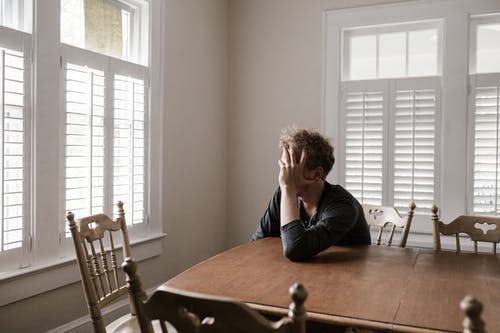
If you experience anxiety regularly, your source of treatment might not have to be medication alone. To provide calmness to your mind and reduce stress, you can implement some measures into your daily lifestyle/routine:  

Physical Activity

More often than not, you need to move your body to cut down stress. Exercise is an important activity of our lives we should not ignore. Exercise positively affects our mental and physical health. It relieves you of stress and improves your wellness.

To effectively handle stress, it is advised to work-out between three to four days a week for thirty minutes. If you do not want to get bored with these physical activities, it is best to do exercises you will enjoy.

Sleep

If you are battling anxiety, the last thing you want to do is skip your sleeping schedule. One of the best ways to treat anxiety is to ensure you sleep well. It is recommended you sleep for an average of 8 hours if night.

If it is challenging for you to sleep, it might be due to some features you are not paying attention to. Hence, you might need to put away your screen before you hit the bed. Also try to maintain a schedule and ensure your bed is comfortable.

Think positively

One of the reasons why people are anxious is because of the negative thoughts they harbor. To deal with anxiety, you need to channel your thoughts positively. If you always have negative thoughts, it is important to turn them into positive thoughts.
Take up Volunteering roles

To feel at peace with yourself, you can decide to help out by taking out time to help out in the community. This is one of the best ways to get your anxious thoughts out of your head. With this, you can quell the negative thoughts in your head and focus on important happenings in your life.

If you need more help, it is a great idea to seek the services of a healthcare professional for effective monitoring.


December 12

POST TRAUMATIC STRESS DISORDER

Post-Traumatic Stress Disorder is a mental health problem which is caused by a terrifying occurrence, which could either be witnessed or experienced. Some symptoms might include chronic anxiety, nightmares, flashbacks and the likes.

A good number of people who experience traumatic events, usually find it hard to adjust and cope, however, when they take care of themselves, they get better in no time. If the symptoms exacerbate for a long period of time like months or years, then it could be PTSD.

PTSD symptoms could commence within the period of the traumatic event, and sometimes, it could be some years after the event.

A good number of times, these symptoms could induce great problems in work or social occurrences and relationships. They can also affect your ability to handle conventional daily tasks.

On a general basis, PTSD symptoms are categorized into four types:  Intrusive memories, Avoidance, Negative changes in thinking and mood, changes in physical and emotional reactions.

The symptoms of PTSD could vary in intensity. If you are stressed, you could experience PTSD symptoms, or when you see reminders of what you experienced.

It is important for you to see a doctor if you continually experience Post Traumatic Stress orders. Some people usually feel it is easy for them to manage these symptoms on their own.

However, PTSD is a medical condition which is difficult to manage and hence, you need the intervention of a medical practitioner.

If you are still having disturbing feelings and thoughts concerning a certain event for more than a month, then you need to discuss with a doctor or a mental health specialist, who would help you to get your life back on track.

People who have PTSD usually have suicidal thoughts, and if you know anyone who has these, it is important you reach out to someone who can help.

You can also reach out to a spiritual leader, minister or someone who is like a counselor in the faith community. You can also reach out with a suicide hotline number, or make an appointment with a doctor.

August 12

ADHD

ADHDADHD is a mental disorder that mental health professionals are still learning a great deal about. ADHD is characterized by the extended, rampant flow of thoughts and the inability to properly organize and be effective. ADHD falls under the category of executive function problems. Executive functions are responsible for organizational skills and the development of social skills. They are very important to a person’s ability to function in the world. When a person’s executive function skills are impaired, like in the case of a person with ADHD, they are unable to develop the ability to navigate the world properly.

ADHD is most commonly known for its high energy and rampant flow of thoughts. This may not mean that a person with ADHD expends an above average level of physical energy, although often times they do. It simply means that their brain can lock into a mode of rampant thought flow that they cannot shut down. This rampant flow of thoughts disrupts their ability to focus on anything else or to be fully present in their situation. This hinders their effectiveness and makes them less able to accomplish tasks, organize information and correctly assess situations.

ADHD also has many components that come with it. Because situations cannot always be correctly assessed, a person with ADHD may be prone to inappropriate emotional responses and unwarranted emotional reactions. This simply comes from misinterpretations of a situation. People with ADHD are frequently rejected by people who do not understand them, which is hurtful and confusing for a person with ADHD because they are merely functioning the way they know how to. This rejection often sets them into a pattern of reading social situations as rejection when they are not. For this reason, people often confuse ADHD with other conditions, such as bipolar disorder.

Depression and anger issues are common attributes of ADHD because living with ADHD often puts people at a disadvantage among society. They cannot execute tasks or assess situations like a person with average executive function can so they are frequently devalued and stigmatized.

August 12

Bipolar

bipolar disorderBipolar disorder is a commonly known disorder, but not a commonly understood one. The term “bipolar” is often used loosely in our culture to describe anyone who is unpredictable or prone to extremes. This is an inappropriate use of this term as bipolar is a complex, multifaceted condition that deeply affects the lives of those who possess it but does not undermine their value. Bipolar is frequently misunderstood as many other mental and personality disorders can resemble its traits. Knowing how to identify bipolar disorder takes a certain level of knowledge and education.

Bipolar disorder is characterized as the shifting back and forth between two different extremes of mood and disposition. A bipolar person will be very up and energetic for a time, then will crash into a very lethargic, depressed state. The upside of bipolar is referred to as mania. Mania is characterized by excessive confidence, intense energy, delusional thinking and impulsive behavior. During mania, a person thinks they are invincible and acts accordingly. This typically lasts for a matter of days or weeks, then the cycle reverses itself.

The downside of bipolar is known simply as depression. During a depressive state, a bipolar person feels like their life force has been sucked out of them. They are very lethargic, with little energy to be at all effective. They feel defeated, stuck, incapable and doomed. Their high functioning abilities leave them and they keep to themselves, showing very little connectivity to those around them. This state shows all the usual characteristics of the disorder depression.

Bipolar is a difficult thing to live with, but there is hope. Many people with bipolar receive treatment, take it seriously and learn to manage their symptoms enough that they can lead successful, functional lives. Medication and counseling are the most common forms of treatment for bipolar, and have proven to be the most successful in helping a person recover. Other forms of treatment include self help, support groups, meditation, inpatient treatment and Canadian rehabs. If you believe that you or someone you care about is struggling with bipolar disorder, seek help today.

April 3

Depression

depressionDepression is a term sometimes thrown around to describe a person’s mood, but the condition of depression is much more than a drop in mood. It is when a person is stuck in a dark frame of mind that steals their happiness, scope, energy and motivation. Depression is a recognized mental health disorder and an ongoing condition that gives a person a bleak outlook on life.

Depression can look different on different people, but there are some common, repetitive symptoms of depression, such as unexplained bodily pain, recklessness, energy loss, insomnia or sleep pattern changes, lack of interest in things that used to be of interest, hopeless feelings, weight and appetite fluctuation, irritability or anger, self-hatred and problems concentrating.

One particularly strong type of depression is bipolar disorder, or manic depression as it is sometimes known. This type of depression takes the person inflicted with it back and forth between two extremes: manic and depressive. When the person is in the midst of a manic episode, they have abnormal amounts of misguided energy and confidence, and when they are in the midst of a depressive episode, they are extremely lethargic and self-loathing.

Treatment for depression usually comes first in the form of therapy, and second in the form of medication. Therapy is the preferred method of dealing with depression because it tends to give more permanent and natural results. When a person is depressed and addicted, they often receive treatment from a rehab program that treats the co-occurring disorders of addiction and depression. Medication is needed in severe cases of depression when a person is so chemically imbalanced that their neural network cannot correct itself through therapy alone.


Category: Uncategorized | Comments Off on Depression
April 3

Phobia

common phobiasA phobia as an intense, irrational fear. To be phobic of something is to be inproportiantely afraid of it. For example, if a person has a phobia of snakes, they will respond in terror to any snake, even if it is harmless. Phobias can develop in children and adults, but more commonly in children.

Several common symptoms of a phobic reaction are feeling unable to control your fear, perspiration, a fear of going insane or losing control, upset stomach, feeling detached from yourself, shaking or trembling, intense feelings of panic and anxiety, a racing heart, feeling like you might faint or die, flashes of heat or cold, the sensation of tingling, lightheadedness, constricted breathing, wanting to escape and tightness in the chest.

Some phobias are so common that they are universal. For example, fears of death, sickness, flying, needles, enclosed spaces, snakes, germs, bacterias, speaking in front of crowds, storms, heights and spiders are phobias that many of us are familiar with.

If a person realizes that their phobia is interfering with their life, they should seek treatment for it. Many people who take self-help seriously have worked themselves through phobias and come out on top. For those with more debilitating phobias, professional therapy and medication is available.

Category: Uncategorized | Comments Off on Phobia
April 3

Panic Disorder

panic attackPanic disorder is a condition in which the afflicted person experiences repeated panic attacks and episodes of intense fear and apprehension. Panic attacks can happen to anyone on ocassion, but when they become a regular part of life and the person afflicted begins to fear the panic attacks, they have developed panic disorder. Panic disorder is all about a person’s lack of coping skills for panic attacks. The symptoms of panic disorder are a fear of having panic attacks, a fear of the consequences of a panic atack (such as losing one’s mind or having a heart attack) and a change in behavior when confronted with the possibility of a panic attack. A panic attack is a sudden, unexpected episode of extreme anxiety, which can render a person momentarily disabled. Nearly a quarter of all North Americans will experience repeated panic attacks at some point in their life, whily only a small percentage qualify for panic disorder. The symptoms of a panic attack may include difficuly swallowing, light-headedness, headaches, cramps, hot flashes, hyperventilation, shaking and sweating, increase in heart rate, intense fear of death or loss of control, difficulty breathing, chills, nausea, pain in the chest, dizziness, throat constriction or a sense of impending danger and doom. Treatments for panic disorder include cognitive behavioral therapy, in which a therapist helps the afflicted person identify the thought patterns that lead to panic attacks, as well as medications, such as anti-depressant medications and anti-anxiety medications.

https://www.youtube.com/watch?v=A7UJxVuzv0k

Category: Uncategorized | Comments Off on Panic Disorder
April 3

Anxiety

anxiety disorderAnxiety is a condition that causes feelings of chronic nervousness and fear over the anticipation of something, real or imagined. Anxiety is identified as a mental health disorder, meaning that it came about due to certain environmental, psychological and biological factors, and it has repeated negative effects on the person who is inflicted with it.

Some of the observable physical symptoms of anxiety are insomnia, headaches, twitches and tremors, stomach and bladder problems, perspiration, a racing heart, spells of dizziness, strained breathing, tense muscles and fatigue. Anxiety can also be internal; not apparent to other people but internally damaging the person affected by it. Some of these symptoms include brain fog, restlessness, dread, broken concentration, negativity, tension, irritability and belief in ever-present danger.

Anxiety disorder is the blanket term for several kinds of disorders that fall under its umbrella, such as Generalized Anxiety Disorder, Social Anxiety Disorder, Obsessive-Compulsive Disorder, certain types of phobias, Panic Disorder and Post-Traumatic Stress Disorder. They are all a type of anxiety disorder, but they each have their own separate distinctions. Where as the condition of anxiety is enmeshed with a person’s lifestyle, an anxiety attack is a particularly bad episode of intense fear or panic.

People who suffer from an anxiety disorder may experience these in a particularly upsetting situation, or one where they perceive their fears are coming true. Anxiety attacks are sometimes confused with panic attacks for how severe their physical symptoms can be, for example, hyperventilation, chest pains, choking sensations and overwhelming panic. Anxiety treatments usually include some kind of behavioral therapy and/or medication. If the disorder is accompanied by addiction in what is called a co-occurring disorder, then dual diagnosis addiction treatment is needed.

Category: Uncategorized | Comments Off on Anxiety