ADHD in Adults: More Than Just a Childhood Disorder
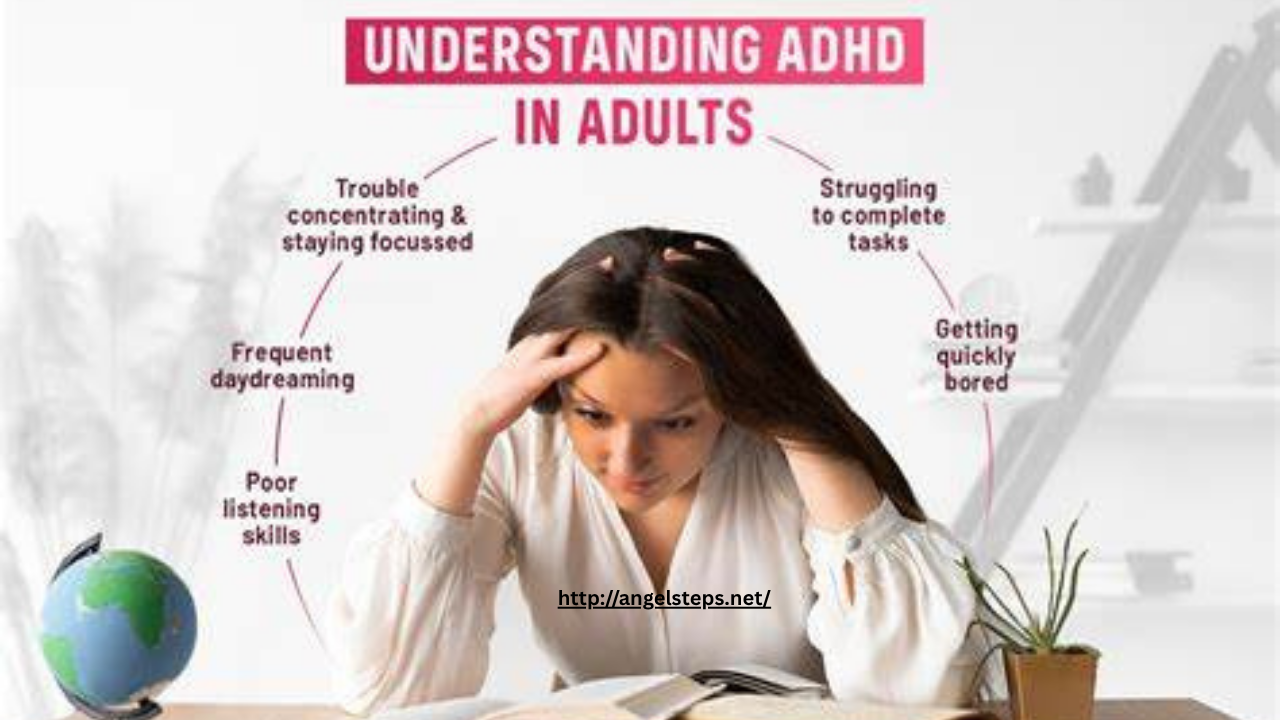
Attention-Deficit/Hyperactivity Disorder (ADHD) is often associated with hyperactive children in classrooms, struggling to sit still or focus on their schoolwork. However, ADHD is not limited to childhood. Many individuals continue to experience symptoms into adulthood—or may not even receive a diagnosis until later in life. Adult ADHD is a real and impactful condition that can influence nearly every aspect of life, including work, relationships, and self-esteem.
Understanding ADHD in Adults
ADHD is a neurodevelopmental disorder characterized by persistent patterns of inattention, hyperactivity, and impulsivity. In adults, the symptoms may present differently than in children. While hyperactivity may lessen, issues with focus, organization, time management, and emotional regulation often persist or become more noticeable.
Common signs of adult ADHD include:
- Difficulty prioritizing tasks
- Chronic lateness or forgetfulness
- Trouble sustaining attention during meetings or conversations
- Impulsive decision-making
- Frequent mood swings or irritability
- Restlessness or inability to relax
Because these symptoms can be mistaken for stress, anxiety, or personality traits, many adults go undiagnosed for years.
The Impact of Adult ADHD
Living with undiagnosed or untreated ADHD can have far-reaching effects. Adults with ADHD may struggle in professional environments due to missed deadlines, disorganization, or difficulty following through on tasks. In personal relationships, impulsivity or inattentiveness can lead to misunderstandings, conflicts, and emotional distress.
Low self-esteem is also common, especially for those who have spent years feeling “lazy,” “irresponsible,” or “not living up to their potential.” These internalized messages can contribute to depression, anxiety, and a sense of chronic underachievement.
Diagnosis and Treatment
Diagnosis of adult ADHD typically involves a comprehensive evaluation, including a review of symptoms, medical history, and possible childhood behavior patterns. Mental health professionals often use standardized questionnaires and may consult with family members to gather more insight.
Treatment for adult ADHD is highly individualized and often includes a combination of:
1. Medication: Stimulants (like methylphenidate or amphetamines) are commonly prescribed and can help improve focus and reduce impulsivity. Non-stimulant options are also available.
2. Cognitive Behavioral Therapy (CBT): CBT helps individuals manage symptoms by identifying negative thought patterns and developing practical coping strategies.
3. Coaching and Skills Training: ADHD coaches or therapists can assist with time management, organization, and goal-setting techniques.
4. Lifestyle Changes: Regular exercise, mindfulness practices, healthy sleep habits, and a structured routine can all contribute to improved functioning and emotional well-being.
Raising Awareness and Reducing Stigma
One of the biggest challenges adults with ADHD face is the misconception that the disorder is only relevant in childhood. Increased awareness and better diagnostic practices are crucial for helping individuals receive the support they need. When properly recognized and managed, adults with ADHD can thrive in all areas of life.
Conclusion
ADHD in adults is more than just a leftover from childhood—it is a valid and treatable condition that affects millions. By understanding the unique challenges it presents and embracing effective treatment options, adults with ADHD can break free from the cycle of frustration and unlock their full potential.