Fear Without Reason: How Phobias Develop and What You Can Do About Them
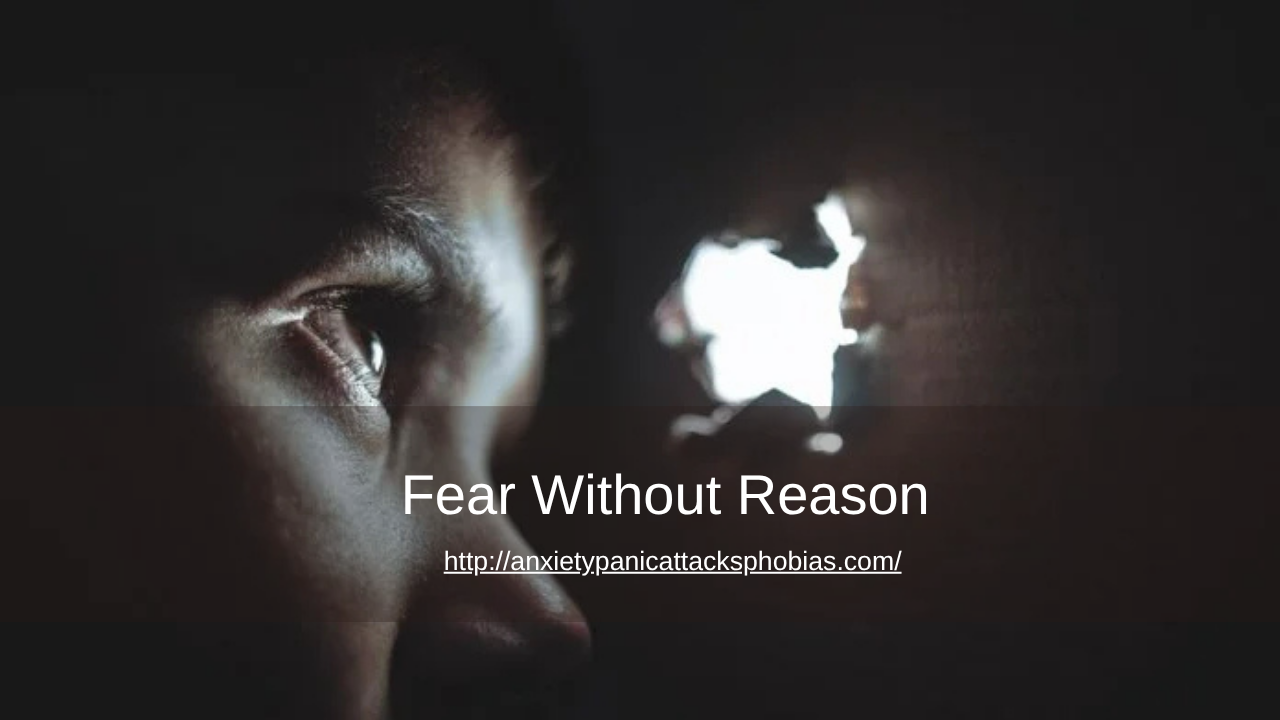
Fear is a natural and protective response, but when fear grows out of proportion and begins to dictate daily choices, it becomes something far more difficult to manage. Phobias can limit relationships, disrupt responsibilities, and create overwhelming anxiety even when there is no real danger present. At Anxiety Panic Attacks Phobias, we see every day how untreated fear can grow into something that feels impossible to control. The hopeful truth is that phobias are highly treatable, and with the right support, anyone can reclaim confidence and stability.
Understanding What a Phobia Really Is
A phobia is more than a fear. It is an intense and persistent response to a specific situation, object, or experience that does not match the actual level of risk. People may fear driving, being in crowded places, flying, animals, needles, or countless other triggers.
While the source of fear varies, the emotional pattern is often the same. The body reacts as if a threat is imminent. This can lead to racing heart, trembling, sweating, or dizziness, along with an overpowering urge to escape the situation. Many individuals begin avoiding the trigger entirely, which may offer relief at first but eventually reinforces the fear.
For those in addiction recovery, phobias can develop or worsen during sobriety. Substances often mask underlying anxiety, and once removed, the nervous system becomes more reactive. Understanding what leads to phobias is an important step toward healing.
How Phobias Develop Over Time
Learned Responses and Past Experiences
Many phobias begin after a frightening or stressful event. A difficult flight may develop into fear of flying, or a traumatic medical event may lead to fear of hospitals or needles. Even if the event happened long ago, the emotional memory remains sensitive.
Family Patterns and Environment
People may learn fear by observing others. Growing up in a household where caregivers were anxious or fearful can shape a person’s emotional responses later in life. The brain naturally adopts these patterns as a means of protection.
Chronic Stress or Trauma
Stress changes how the brain processes information. When someone lives under long-term pressure or has survived trauma, the nervous system becomes more reactive. Suddenly, situations that were once harmless begin to feel threatening. This is common among individuals who have endured emotional wounds, substance use, or mental health challenges.
Imbalance in Brain and Body
Phobias can also arise from chemical imbalances or shifts in brain functioning. Hormones, neurotransmitters, sleep quality, and physical health all play a role in shaping emotional responses. This is why truly effective treatment must acknowledge both the psychological and physical aspects of fear.
What You Can Do to Break Free from a Phobia
Learn How the Fear Works
Education is a powerful tool. Understanding that phobias are exaggerated but treatable fear responses helps reduce shame and encourages healing. Knowing that your brain is giving false alarms can help you regain control during stressful moments.
Gradual Exposure with Professional Guidance
Exposure therapy is one of the most effective treatments. When done safely and slowly, it helps the brain relearn what is dangerous and what is not. At Anxiety Panic Attacks Phobias, exposure is combined with compassionate coaching and emotional support to make the process comfortable and empowering.
Holistic and Faith Based Healing
Phobias do not only affect the mind. They impact the body, spirit, and sense of identity. Holistic methods such as mindfulness, grounding techniques, nutritional support, and gentle physical movement help balance the nervous system. Faith based practices provide strength, hope, and connection, which are vital for emotional recovery.
Inpatient and Outpatient Treatment Options
Some individuals need structured care to interrupt avoidance patterns and begin healing. Inpatient treatment offers a peaceful environment away from daily triggers, while outpatient care allows clients to stay connected to work or family while receiving support. Both offer individualized treatment plans that focus on long term recovery.
You Do Not Have to Live in Fear
Phobias can feel isolating, but they are far more common than most people realize. More importantly, they are treatable. With compassionate guidance and a whole person approach, you can retrain your mind, calm your body, and rediscover a sense of freedom that fear once took away.
If you are ready to break the cycle of fear, Anxiety Panic Attacks Phobias is here to help you take the next step. Your path to healing, confidence, and renewed strength begins with reaching out. You deserve a life where fear no longer controls you.